


Law Enforcement Accountability and Public Trust in Arizona
The recent string of events across Arizona has cast a bright light on several legal and public safety issues that demand our attention. From incidents involving law enforcement to cases of violent crime and controversial legal procedures, the recent news has left many wondering how well our system is serving its citizens. In this opinion piece, we take a closer look at the legal landscape as it continues to evolve in Arizona, digging into the trickier parts of law enforcement accountability, legal reforms, and the consequences of public actions that have left communities and courts equally tense.
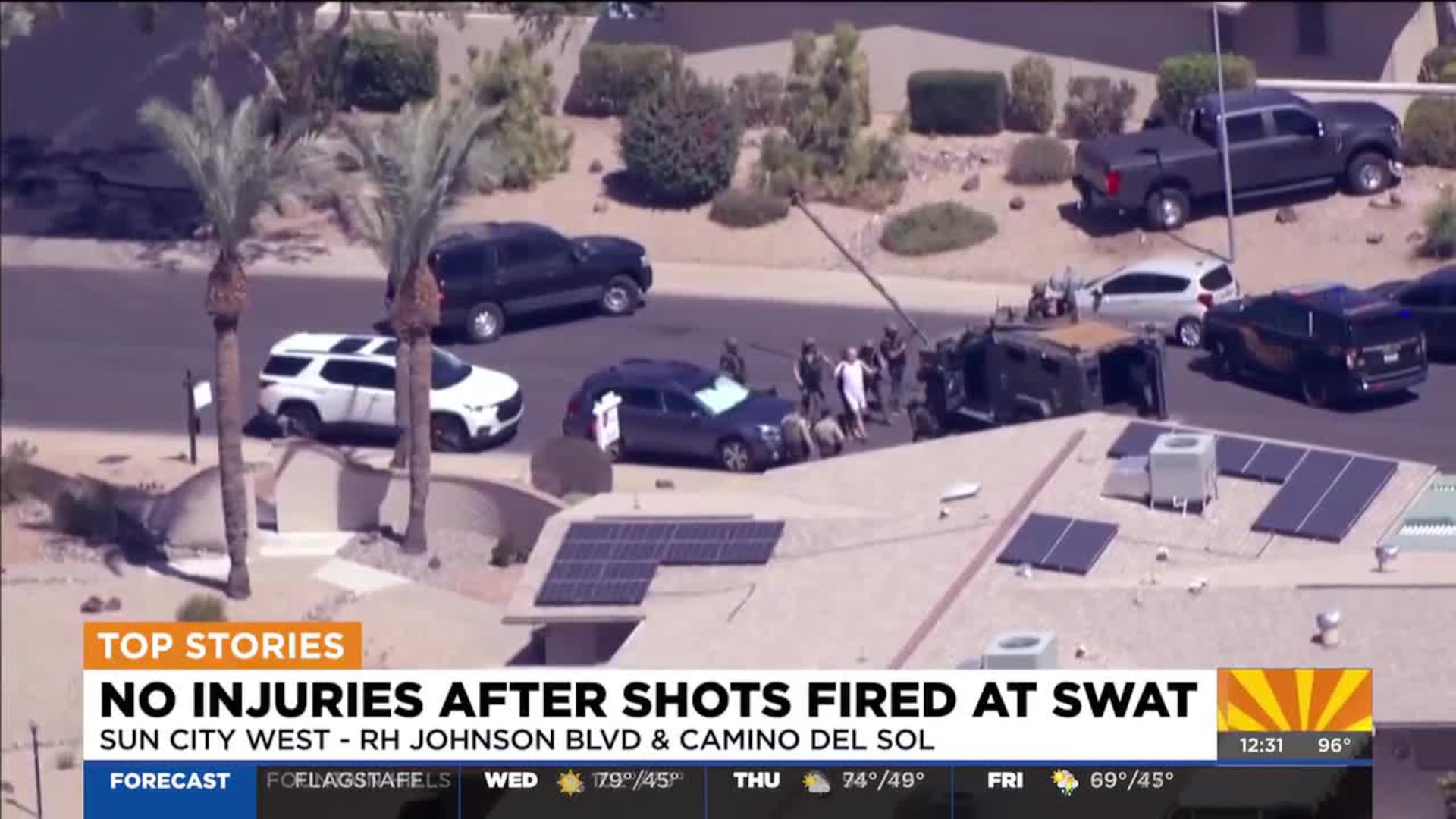
The case of John Wayne Horne, the 53-year-old man accused of shooting at SWAT deputies in Sun City West, has stirred up a mix of fear and controversy. In incidents such as these, where officers are placed in dangerous and nerve-racking situations, communities rely on transparency and justice to ensure that law enforcement follows the appropriate steps, even when things go awry. This incident is just one piece of a broader narrative—a complicated web of legal challenges that law enforcement officials, citizens, and policymakers must figure a path through.
Scrutinizing the Use of Force: When Does Self-Defense Cross the Line?
The encounter between Horne and the deputies in Sun City West is rich in subtle details that challenge our current understanding of the appropriate use of force by law enforcement. When officers are thrust into overwhelming scenarios, it can be tricky to untangle their intentions versus the reality of the threat. For many legal experts, the key issue revolves around whether the officers used justifiable force. Was the use of firearms, in response to an individual seemingly armed, a necessary measure? Cases like these remind us of the little twists and fine points involved in defining self-defense on the job.
A number of questions arise in such cases:
- How do we determine if the threat was credible enough to justify a deadly response?
- What procedures exist to review the chain of command decisions in these split-second encounters?
- Are there sufficient checks and balances to evaluate claims of both officer safety and suspect rights?
These are not merely academic questions; they are essential factors that play into court rulings, departmental policy changes, and community trust. After all, when a law enforcement officer opens fire, every participant—be it the officer, suspect, or witnessing community—has the right to expect that the actions taken will be critically scrutinized in legal terms. The missteps or assumptions made during these moments can have lasting repercussions on procedural reforms and public confidence.
Handling Violent Encounters Amid Public Scrutiny
When high-profile cases hit the headlines—like the Mesa incidents where a 33-year-old man was shot by officers after pointing what appeared to be a weapon—the legal system is forced to confront the issue of perceived versus actual threat. In such nerve-racking scenarios, officers often have to make decisions in just fractions of a second. However, it is important for the legal process to carefully dig into the confusing bits of each case. With each firearm discharge, the committee of legal experts must weigh the officer’s perspective, the environment’s nuances, and the tactical protocols that guide law enforcement.
Public opinion is heavily divided in these matters. On one hand, there is a call for enhanced training and review procedures to better prepare officers for the unexpected twists and turns of real-life confrontations. On the other, there is a rightfully vigorous demand for accountability when a life is lost—whether it be on the side of the suspect or the officer. These contrasting viewpoints highlight that the current guidelines, although essential, sometimes leave room for serious debate over whether they are effective in every scenario.
Legal Consequences of Violent Acts: The Mesa Triple Stabbing Case
The situation in Mesa, where a 22-year-old man faces multiple felony charges stemming from a triple stabbing incident at an apartment complex, further illustrates the intricate legal debates that are ongoing in our communities. In cases like these, the challenge falls on the local prosecutors and defense attorneys to figure a path through the tangled issues of intent, evidence, and societal context.
The charges in such cases are not straightforward. They prompt legal professionals to dig into a variety of thorny issues:
- Establishing a clear motive behind the violent act.
- Assessing whether the crime resulted from personal conflicts or broader societal problems.
- Understanding how community safety factors into the sentencing process.
Decisions made in state and local courts are bound to set precedents that can influence public safety policies far beyond the boundaries of Mesa. Considering the evolving legal environment, it is super important for the judicial system to consider every small detail, from the nitty-gritty of forensic evidence to the broader societal implications of such violent encounters.
Hidden Complexities in the Courtroom: Balancing Evidence and Emotion
The inherent tension in high-profile violent cases often leads to opinion-splitting debates within courtroom settings. Judges are tasked with piecing together the fine points of evidence, while juries struggle to separate the charged ambiance of the incident from the actual factual record. In contentious proceedings, emotions can run full of problems, and the legal system must rely on established practices to ensure that verdicts are issued based on evidence rather than sentiment alone.
For instance, consider the delicate balance that must be maintained in jury selection. Jurors are expected to put aside their personal feelings and biases, ensuring that their decision-making process is guided solely by the specifics of the case and the law. This indicates a need for better public understanding of how legal proceedings work—a topic that is on edge and often misunderstood by the general public.
Legal Reforms Driven by High-Profile Incidents
Every high-profile incident inevitably acts as a catalyst for legal reform. When cases like the ones in Sun City West, Mesa, and beyond grab national headlines, they put additional pressure on lawmakers, law enforcement agencies, and community leaders to institute changes. This process often involves examining tangled issues, such as departmental policies, safety protocols, and accountability measures.
The following are some key points where legal reform might be seen as necessary:
- Policy Oversight: Establishing independent review boards to evaluate police responses.
- Enhanced Training Programs: Incorporating scenario-based training that prepares officers for unpredictable, nerve-racking situations.
- Community Engagement: Initiating programs that involve community members in law enforcement feedback loops.
These initiatives, if implemented effectively, have the potential to bridge the gap between law enforcement and the public. As recent events have shown, the process of sorting out these tricky issues is never simple. However, every step taken toward clarity, accountability, and transparency is a step toward restoring trust in the legal system.
Evaluating the Impact of Fraud and Cold-Case Admissions
Another dimension of legal scrutiny is evident in cases that involve financial fraud, such as the conviction of the alleged head of the Arizona Mexican Mafia for COVID fraud. This development, paired with an admission to involvement in several long-unsolved murders from the 1990s, underscores an increasingly complex landscape where organized crime, economic exploitation, and violent criminal history intersect.
These cases dig into the significant challenges legal professionals face when reconciling past crimes with modern-day regulations. They compel us to analyze the fine shades of guilt and responsibility in crime syndicates that have evolved over decades.
Issues Surrounding COVID Fraud and Financial Malfeasance
Fraud during times of crisis is an off-putting scenario that tests the limits of our legal frameworks. Fraud schemes that exploit public health emergencies are especially nerve-racking because they undermine public trust at a time when unity is paramount. The case of COVID fraud involving a reputed criminal leader is a stark reminder of the opportunity that crises offer to those looking to capitalize on extraordinary circumstances.
In expanding the conversation on fraud, several legal concerns typically come to the forefront:
- Exploitation of Emergency Relief: Legal authorities must carefully scrutinize how funds are disbursed during emergencies to prevent financial abuse.
- Cold-Case Admissions: When older, unresolved cases are linked to current criminal behavior, officers and legal experts must piece together evidence that might have long been hidden.
- Systemic Failures: Such incidents call for a closer look at whether the legal system was or was not set up to detect and deter fraud in a timely manner.
These subjects demand that lawmakers and legal analysts take a closer look at the confusing bits of current policies, to ensure that future emergency measures are not left with exploitable gaps.
Cold Cases and the Quest for Closure
The admission of involvement in long-unsolved murders by a reputed criminal leader naturally raises questions about the reliability of past investigations. Many cold cases suffer from a lack of modern forensic methods and can be confusing to unravel once new evidence or confessions emerge. Resolving these cases is key to offering closure to the victims' families and ensuring that justice, albeit delayed, is served.
A detailed table might help highlight the critical elements of these cases:
| Issue | Challenges Faced | Legal Considerations |
|---|---|---|
| Old Evidence | Degradation over time, lost records | Admissibility in court, chain of custody |
| Forensic Limitations | Limited technology at the time of the crime | Re-examination using modern techniques |
| Witness Testimony | Fading memories and potential bias | Corroboration with other evidence |
The table above clearly demonstrates that these cases are loaded with issues stemming from the tension between outdated methods and modern forensic advancements. It is a reminder to legal policymakers that lessons learned from these past mistakes must inform future investigations and legal reforms.
Insurance Fraud and the Intersection with Public Safety
In an entirely different realm, the case of a man in West Virginia sentenced to years in prison for staging car accidents to procure insurance money provides yet another contentious illustration of how criminal behavior can have wide-ranging ramifications. While the setting may be different, the legal principles at play are universal, particularly in how victims of fraud suffer when the system is manipulated using deceptive tactics.
The legal community has long recognized that fraud in any sector, including insurance, carries implications that extend well beyond financial loss. Such cases are full of problems involving the exploitation of trusted systems, highlighting the need for more robust fraud-detection and prevention measures.
Exposing the Trends Behind Staged Accidents
Insurance fraud cases are reminiscent of other high-profile fraud schemes. They share several common issues that legal experts must consider:
- Deceptive Practices: The manipulation of accident scenes and false claims affects genuine victims and inflates insurance premiums for everyone.
- Legal Loopholes: Often, the existing regulations are riddled with tension, providing crafty individuals opportunities to exploit the system before being caught.
- Legal Precedents: Past rulings in insurance fraud help shape future policies, ensuring that deception is met with proportionate legal consequences.
In my opinion, such cases are not merely about serving time or correcting a financial imbalance—they also serve as a stark warning to society that no one is above the law. The courtroom drama in these cases often illustrates the community’s determination to hold even financially motivated criminals accountable.
Improving Insurance Fraud Investigations
To manage the nerve-racking task of investigating staged accidents, law enforcement agencies have begun adopting more sophisticated technological solutions. This shift promises to improve not only the detection rate but also the overall safety of innocent drivers on our roads. Some of the measures being implemented include:
- Advanced Surveillance: Increased use of dashcams and traffic cameras to document real-time events.
- Data Analytics: Using data mining to detect irregular patterns in accident claims.
- Collaboration: Enhanced information sharing between insurance companies and law enforcement agencies.
Each of these tools represents a step forward in sorting out the tricky parts of how fraud is perpetrated and prevented. The legal system, while often seen as slow-moving, is adapting to meet the challenges presented by evolving criminal tactics. This can only be seen as a positive direction toward ensuring justice in a modern society.
Innovation and Public Safety: Bridging the Gap Between Technology and Tradition
In an era marked by rapid technological advancements, even the legal field is not immune to the benefits—and potential pitfalls—that technology can bring. One notable example is the recent invention by a Scottsdale teenager, who has devised a device called the "door bull" to enhance the security of doors. The innovation is designed to resist significant force and create a more secure barrier against intruders, which in turn speaks volumes about the intersection of public safety, technological progress, and legal implications.
This case presents the interesting question: How do legal frameworks adapt to technological innovation, especially when it comes to balancing privacy, public safety, and the inevitable conflicts that arise between the old and the new? On one hand, the creation of such a device is an inspiring display of ingenuity. On the other, it also raises concerns about its legal ramifications when deployed in residential and commercial security systems.
The Device in Question: A Closer Look at Its Features and Legal Impacts
The door bull, although small and lightweight, has the capacity to endure hundreds of pounds of force, which makes it a super important asset in the battles against home invasions. However, a few legal questions must be asked:
- Liability: If the device fails during an emergency, where does the blame fall—on the manufacturer or the homeowner?
- Safety Regulations: What guidelines must be followed to ensure that such devices meet established safety protocols?
- Privacy Concerns: Could such security measures inadvertently create scenarios that infringe on the privacy rights of residents or visitors?
These points deserve a closer look as we figure a path through the challenges of integrating modern technology into everyday legal frameworks. The legal system must keep pace with these developments to ensure that innovation does not outstrip the protective measures that safeguard our rights and security.
Legal Frameworks for Future Technologies
The emergence of innovative products like the door bull has provided an opportunity for lawmakers to work with tech developers and legal experts to build comprehensive guidelines. These should not only aim to protect consumers but also inspire further innovations by making sure the operating environment is safe, clear, and devoid of unexpected legal pitfalls.
Possible steps in this direction include:
- Standardization: Creating standards that all security devices must adhere to, ensuring uniform safety benchmarks.
- Liability Insurance: Mandating appropriate liability insurance for manufacturers of security devices, which helps protect consumers after a mishap.
- Consumer Education: Offering clear legal guidance along with product use to help consumers understand their rights and responsibilities.
The balance between encouraging innovation and restricting potentially risky practices is a constant challenge. In many ways, these discussions have an air of working through tricky, complicated pieces of legislation that must be handled with the utmost care to remain fair and effective for all parties involved.
Public Perception and the Role of Media in Legal Narratives
It is important not to underestimate the power of the media in shaping public perceptions of legal matters. The recent string of headlines from diverse cases across Arizona—ranging from violent crimes to instances of fraud—has significantly influenced how communities view law enforcement and the broader judicial system. Media can serve as a double-edged sword: on one side, it can help generate transparency and foster community engagement; on the other, it can inadvertently sensationalize legal issues, making them seem more overwhelming than they are.
When high-profile cases are thrust into the spotlight, there is a natural tendency for sensationalism to take hold. While this can drive public interest, it also leaves room for misunderstandings about the real legal processes at work. To properly get into these topics, it is essential for legal analysts and journalists alike to present a balanced view that respects both the need for accountability and the rights of those involved.
The Impact of Sensationalism on Judicial Processes
There are several subtle details in how legal narratives are presented by different media outlets. Consider the following points:
- Detail vs. Drama: While dramatic headlines capture attention, they often omit the fine shades of the legal process, which include thorough reviews and multiple layers of judicial oversight.
- Public Misconceptions: Sensationalism can inadvertently lead the public to believe that every police encounter or fraud case results in immediate justice, when in reality the legal process is a step-by-step endeavor filled with its own twists and turns.
- Pressure on Legal Institutions: The media’s portrayal of cases can sometimes influence not just public opinion, but also the pace and direction of legal reforms. This can create a feedback loop where the legal system is driven to act preemptively or reactively.
Legal professionals must therefore work diligently to communicate during these tumultuous moments. By engaging directly with the media, they can help steer public understanding away from oversimplified narratives and toward a more nuanced appreciation of how legal accountability and reform work in practice.
Strategies for a More Balanced Legal Reporting
To counter the effects of sensationalism, several strategies can be adopted:
- Educative Outreach: Holding public seminars or forums where legal experts break down the fine points of major cases to demystify the process.
- Balanced Journalism: Encouraging media outlets to focus on the subtle distinctions in high-profile cases, providing context that includes both investigative findings and judicial reviews.
- Collaboration Between Legal Experts and Journalists: Building partnerships that allow for real-time fact-checking and legally informed reporting.
These steps could greatly aid in ensuring that public discourse remains based on fact rather than dramatization. In a time when misinformation can easily sway opinions, it is super important that legal reporting is as transparent and accurate as possible.
Reflecting on the Broader Legal Landscape
What emerges from the recent incidents in Arizona is a landscape where the legal system is continuously being shaped by both traditional challenges and modern innovations. Whether it is addressing the legal repercussions of violent encounters or steeping reforms in the wake of financial fraud and innovative security products, the core issues remain the same: accountability, transparency, and justice.
Many of the cases we have discussed represent more than isolated incidents—they are a microcosm of a legal system trying to balance fast-moving modern realities with established traditions. The following points summarize some of the key observations:
- Accurate Use of Force: Incidents like the Sun City West shooting highlight the nerve-racking scenarios faced by officers and the subsequent legal debates over self-defense and proportionality.
- Cold Cases and Reformed Practices: Admissions relating to decades-old murders underscore the need for modern forensic practices and deeper legal introspection.
- Fraud and Its Ripple Effects: Whether it is COVID fraud or insurance schemes, the exploitation of systems calls for tighter regulations and better oversight.
- Technological Innovations: Developments such as the door bull signify a new frontier in merging public safety with cutting-edge technology, posing fresh legal challenges.
- Media Influence: The critical role media promotion plays in shaping public understanding of legal procedures cannot be understated, emphasizing the need for balanced reporting.
Ultimately, the goal for legal institutions and policymakers should be to create systems that are both robust and flexible—able to handle unexpected twists and turns without succumbing to the pressures of public opinion or outdated practices. In the legal arena, every decision carries the weight of community trust and the promise of future reforms.
Steps Forward in Public Policy and Legal Reform
Looking ahead, it is clear that Arizona, like many states across the nation, stands at a crossroads in the realm of public safety and legal reform. There are several strategic steps that could be considered to improve the situation:
- Enhanced Accountability Measures: From independent review boards to standardized protocols, there is a pressing need to ensure that every action taken by law enforcement is subject to rigorous oversight.
- Modernizing Cold Case Processes: By investing in modern forensic technologies and re-training law enforcement personnel, the chances of resolving cold cases can be significantly improved.
- Regulating Fraud Prevention: Strengthening the legal frameworks surrounding financial fraud and staged accidents can help alleviate the broader economic impacts of such crimes.
- Bridging Tech and Law: As technological innovations continue to emerge, working closely with legal experts to develop relevant regulations will help prevent any legal loopholes that might be exploited.
- Media Literacy Initiatives: Educating the public on the realities of the legal process can help mitigate the adverse effects of sensationalized reporting, leading to a more informed citizenry.
These initiatives underscore that the path forward in legal reforms is not a simple one. There are complicated pieces worth unpacking, and each step will require collaboration, courage, and a willingness to adapt. The lessons gleaned from recent events could serve as critical turning points in how law enforcement, legal institutions, and society at large think about justice and accountability.
Conclusion: Towards a More Accountable and Transparent Future
In reflecting on the events that have spotlighted critical legal and public safety issues in Arizona, one thing remains clear: our legal system is at a juncture. Efforts to address the misguided use of force, the aftermath of violent encounters, and the exploits of financial fraud are all intertwined with the broader narrative of fighting for public trust and accountability. Whether it is through technological innovations—or by reexamining longstanding legal procedures—each step towards reform is a necessary move to restore confidence in the rule of law.
The legal landscape is, by nature, full of problems and loaded with complex bits that require careful, unbiased examination. From the incident involving John Wayne Horne in Sun City West to the cold cases reopened because of modern forensic technology, every case reminds us that the pursuit of justice is a constantly evolving process. For the legal community and the public alike, it is an ongoing challenge to sift through the tangled issues, discover the hidden complexities, and steer through the twists and turns that define our modern legal environment.
Ultimately, it is through transparency, accountability, and a willingness to adapt to emerging challenges that we can hope to build a more resilient legal system. As we continue to work through these problems, it is critical to keep in mind that every reform, every policy update, and every step taken in the courtroom is geared towards safeguarding our communities and ensuring that justice prevails—even in the face of overwhelming challenges.
In my view, the future of legal reform in Arizona—and indeed, the United States—depends on ongoing collaboration between lawmakers, law enforcement officials, the media, and the public. By fostering a culture of accountability, nurturing innovation while regulating its boundaries, and promoting balanced, fact-based reporting, we can lay the groundwork for an even more trusted legal system. Although the issues are undoubtedly complicated and often intimidating, the commitment to progress must remain unwavering.
Now more than ever, it is super important for all stakeholders to take a proactive role in shaping the rules that govern our society. Each decision made in the courtroom, every policy reform enacted by legislators, and all the innovations introduced into public safety measures contribute to a larger mosaic of justice. This multifaceted approach is not only necessary—it is the only sustainable path towards a future where the law remains a fair and effective guardian of our collective rights and freedoms.
In closing, while recent events in Arizona are steeped in controversy and laden with legal challenges, they serve as a crucial reminder of our shared responsibility to remain vigilant and committed to reform. The road ahead may be unclear at times, and the legal twists and turns can be overwhelming, but through dedicated effort and cooperation, it is entirely possible to forge a system that meets the needs of a dynamic, modern society.
Ultimately, the journey towards a more accountable and transparent future is one that we must all embark on—together. Through open dialogue, continuous education, and unwavering commitment to justice, we can ensure that every individual, whether a law enforcement officer, a victim of crime, or an ordinary citizen, enjoys the protection of a legal system that is not only fair but constantly evolving to meet the challenges of our time.
Originally Post From https://www.azfamily.com/video/2025/09/17/mcso-identifies-man-accused-shooting-deputies-sun-city-west/
Read more about this topic at
Crime Mapping
Crime


No comments:
Post a Comment