


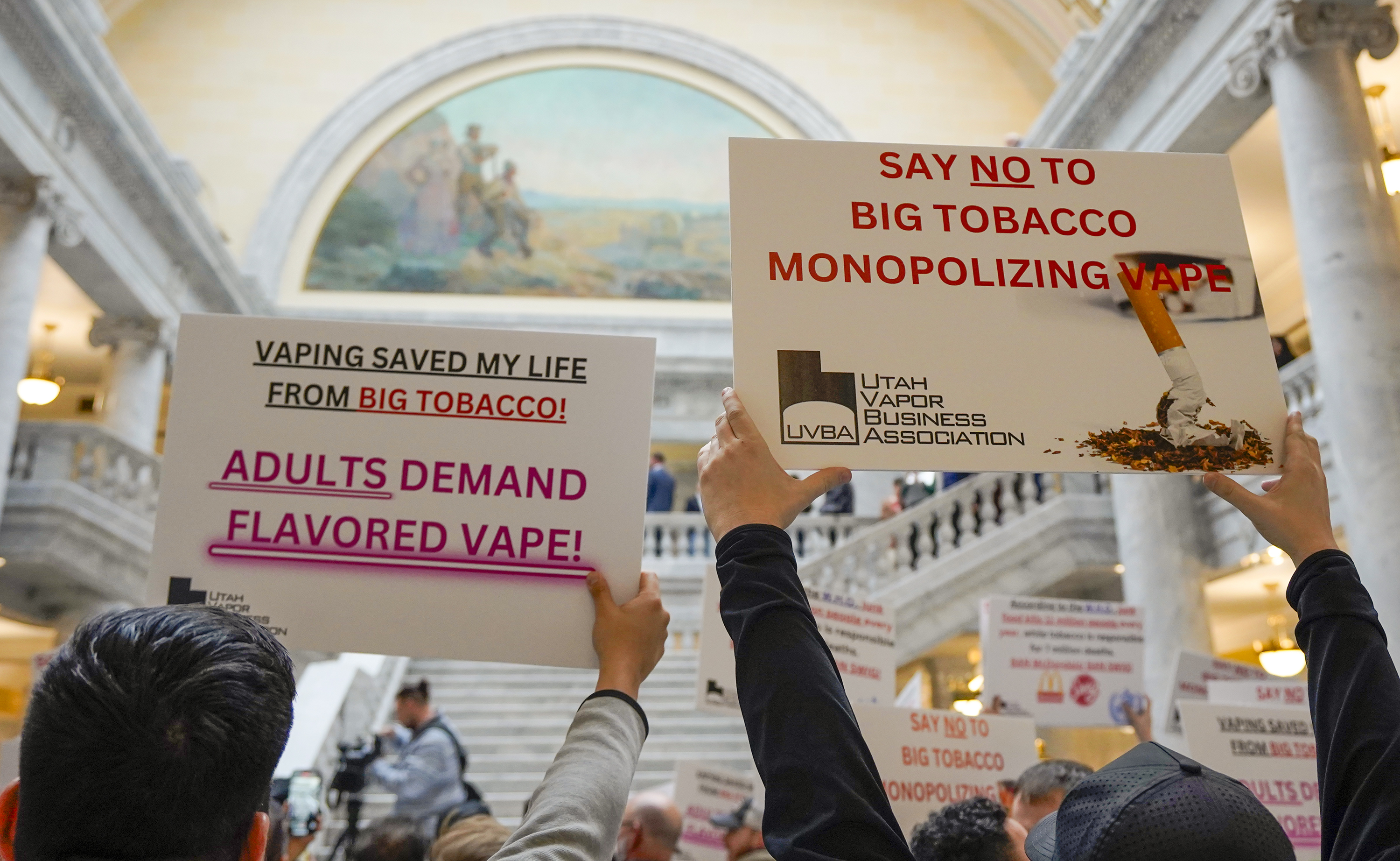
Cities Confront State Power in the Fight Against Flavored Vaping Products
The battle over regulating flavored vaping products has become one of the most heated debates in public health and local governance today. Across the nation, municipalities are standing up to protect young people from the harmful lure of vapes, while state legislators—bolstered by powerful lobbying forces—struggle to restrain local action. This controversy touches on several tricky parts of federalism, public health, and even the very essence of local self-government.
Local Autonomy Versus State Preemption: A Tense Tug-of-War
At the core of this struggle lies the conflict between local self-governance and state preemption. Many cities, by enacting laws to ban the sale of flavored tobacco products, aim to steer through the complicated pieces of protecting their communities, especially children. When tobacco companies harness the popularity of e-cigarettes—a product that rapidly became a favorite among youth—the need for stringent local policies grows even more overwhelming.
Cities argue that the government closest to the people is best positioned to understand and address local concerns. They contend that local ordinances can target regional problems and adapt quickly, while state laws, often burdened by broad mandates, tend to ignore the subtle details of community-specific issues.
On the flip side, state legislators maintain that uniform regulation of tobacco products is critical, arguing that a patchwork of local rules could undermine broader public health efforts. They assert that a comprehensive statewide plan ensures consistency, which they believe is a key element in tackling the widespread public health issues caused by tobacco.
Key Arguments for Local Self-Governance
- Community-Specific Solutions: Local governments are better equipped to design policies that reflect the unique needs of their populations.
- User-Centered Regulations: Tailoring measures to the young, especially vulnerable groups, can be a super important step in curbing early addiction.
- Flexibility in Enforcement: Cities can respond quickly to emerging trends and adjust restrictions as public behavior changes.
Local leaders insist that cities are the frontline defenders when it comes to safeguarding the health of their citizens. Moreover, they emphasize that local statutes can integrate modern public health concerns that were not foreseen by older, more generalized laws.
State Preemption Rationale: Ensuring Uniformity in Policy
- Broad Regulatory Vision: State lawmakers claim that regulating tobacco on a statewide basis can prevent the confusion that might arise from conflicting local codes.
- Cost Efficiency: A unified approach can potentially reduce administrative redundancies and avoid instances where cities duplicate efforts already managed at the state level.
- Economic Considerations: State preemption sometimes includes arguments about fostering a more stable business environment, even if it inadvertently sidelines public health initiatives.
The tension between local priorities and statewide uniformity demonstrates the twisted issues emerging when regulatory power is divided. In Ohio and other states, courts are often left to find a path that respects both local ingenuity and the state’s broad vision for public health.
Flavored Vaping and Youth: Public Health at the Crossroads
Flavored e-cigarettes have rapidly become the gateway product for many young people. Initially launched as an alternative to traditional cigarettes, these products have evolved into a pervasive public health concern. State and local authorities alike have raised alarms over this trend, noting the almost magnetic appeal flavored products have for tweens and teens.
More than 1.63 million middle and high school students reported using e-cigarettes in recent surveys, with almost ninety percent of these users favoring flavored versions. These statistics underscore the nerve-racking challenge lawmakers face: protecting youth from a product that is both attractive and, when used over time, potentially damaging to their health.
The flavored appeal of these products is no mere accident. Tobacco companies have invested heavily in marketing strategies designed to tap into young demographics. This approach has contributed to the explosive rise of vaping among youth, creating a scenario that many public health advocates find impossible to ignore.
Health Risks and Long-Term Consequences
It is widely recognized that tobacco remains a leading cause of death in the United States—responsible for one in every five deaths. With vaping products joining the fray, many experts believe that a new generation of youth could face lifelong health challenges. The health consequences are not just immediate but ripple out into long-term complications, including respiratory illnesses and cardiovascular issues.
City ordinances that ban flavored tobacco products represent an attempt to get around these overwhelming public health statistics. By restricting access to the flavors that entice young users, local governments are trying to break the cycle of addiction before it starts.
Community Impact: Protecting Young Lives
For many communities, the effort to regulate flavored vaping products goes beyond statistics and enters the realm of personal stories. Parents, educators, and healthcare providers routinely speak out about the direct impact these products have on young lives. In school settings, there are increasing incidents of nicotine poisoning and other health emergencies linked to vaping.
Local actions to curb these practices are often seen as not only a regulatory measure but also a moral imperative—a responsibility to protect the next generation from the pitfalls of addiction and other related health issues.
A Historical Look: Tobacco Control Legislation and Its Evolution
To truly appreciate the current debate, it is helpful to get into the history of tobacco regulation. The passage of the Family Smoking Prevention and Tobacco Control Act of 2009 marked a major turning point in the fight to keep tobacco products away from young users. That law set a federally mandated age limit and banned all characterizing flavors in cigarettes (except menthol), showing that even a deeply divided Congress could rally around the cause of protecting public health.
However, the rise of e-cigarettes changed the landscape dramatically. These products entered the market at high speed and, due to regulatory loopholes, quickly became the most widely used tobacco product among U.S. youth. In light of these developments, local governments began crafting ordinances to address the new, overwhelming challenge presented by vaping—a challenge that no one could have easily predicted in 2009.
Local measures against flavored tobacco were not simply repetitions of older policies; they embodied a new approach tuned to the subtle details of modern public health concerns. Faced with a surge in flavored vape use, communities across Ohio, Missouri, Massachusetts, Michigan, and other states pushed forward with robust regulations designed specifically to counter this modern threat.
The Evolution from Cigarettes to E-Cigarettes
One of the most significant shifts in the addiction landscape has been the transition from combustible cigarettes to e-cigarettes. Initially marketed as a safer alternative to smoking, e-cigarettes have instead carved out a dangerous niche, especially among young people. Their smaller size, ease of access, and variety of appealing flavors have all contributed to their rapid popularity.
The evolution of tobacco control legislation reflects these changing patterns. Whereas earlier laws were designed with traditional tobacco products in mind, the current wave of regulatory initiatives must account for new products that have emerged amid rapidly changing public behavior. This shift requires lawmakers and public health experts to figure a path through a maze of legal and social challenges that are as complicated as they are essential.
Ohio's Landmark Case and Its Broader Implications
Ohio has become a battleground state in this debate, providing one of the more high-profile examples of cities clashing with state legislatures. In a recent ruling, an Ohio appellate court sided with cities like Columbus by striking down a state law aimed at blocking local regulations of flavored tobacco products. The court maintained that such preemption was inconsistent with the state constitution's guarantee of local self-governance.
This decision is significant for several reasons. First, it reinforces the principle that local governments have the right to manage their own public health policies. Second, it establishes a legal precedent that could influence similar cases in other states facing comparable conflicts. The ruling underscores that a one-size-fits-all approach does not work well when it comes to issues that affect communities in such a direct and personal way.
Local governments have argued that the state law in question did little but preempt any local regulation, rather than offering a comprehensive statewide plan. Courts saw this as a clear attempt to remove municipal authority—the very authority that enables communities to craft tailored responses to emerging challenges.
Dissecting the Legal Arguments
The Ohio case is marked by several key legal arguments that expose the tangled issues involved in home rule versus state preemption. The court had to sort out whether the state law was a general law affecting all municipalities or a targeted measure designed to shut down local initiatives. In its analysis, the court noted the following points:
- Constitutional Home Rule: The Ohio Constitution explicitly grants local governments the power to enact regulatory measures that protect public welfare, provided these measures do not conflict with general state laws.
- Statutory Construction: One of the more confusing bits in the case was determining whether the state law should be read in combination with other tobacco-related statutes—a method sometimes referred to as in pari materia. However, the court found the statute to be unambiguous in its intent to preempt local control.
- Original Intent: The court ultimately determined that the statute ran counter to the fundamental purpose of local self-governance, which is to give communities the freedom to address their most pressing issues.
This ruling not only highlights the legal debate but also emphasizes that legitimate local concerns must be given due regard. Cities are often on the front lines of public health challenges, and any laws that limit their power to act quickly and effectively can have serious repercussions.
Lessons for Future Litigation
The Ohio decision is just one chapter in a larger narrative that is unfolding across the nation. Even if the state decides to appeal the ruling, this case sets a critical precedent for other cities facing similar constraints. It sends a clear message: local governments are a crucial part of the regulatory system, especially when it comes to issues that directly affect the health and well-being of their residents.
As more cases emerge from states like Oregon, Missouri, Massachusetts, Michigan, and Kansas, the legal community will need to sort out the fine points of state preemption versus local control. The decisions made in these cases will determine not just the future of tobacco regulation but could also have wider implications for municipal autonomy in other critical areas.
Public Health Initiatives and the Role of Local Government
Local governments are uniquely positioned to tackle the challenge of flavored vaping because they are closest to the effects of these products on children and young people. Their efforts to restrict access to harmful products are not merely regulatory in nature—they are vital public health initiatives aimed at preventing a new generation from falling victim to nicotine addiction.
The implications of unchecked vaping among youth are overwhelming. Nationwide, smoking and vaping have been directly linked to long-term health issues, such as respiratory diseases, cardiovascular complications, and even neurological damage. Local ordinances have been central to reducing the number of young vapers dramatically from the millions reported in earlier years.
Public health campaigns often work best when they are tailored to the specific needs and conditions of the community. City laws that ban flavored tobacco are crucial tools in a broader strategy to lessen the public health burden on local communities. These initiatives serve two primary functions: they not only curb the rates of addiction among young people but also reduce future health care costs borne by taxpayers.
Community Benefits of Strong Local Tobacco Regulations
The benefits of local regulations extend beyond individual health. When communities work proactively to manage their public health landscape, they can also experience broader social and economic improvements. Some of the key benefits include:
- Reduced Financial Burden: Fewer cases of tobacco-related diseases mean lower long-term health care costs.
- Enhanced Public Safety: With fewer young people addicted to nicotine, communities can expect better overall social outcomes including improved school performance and safer neighborhoods.
- Empowered Local Democracy: Empowering local governments to enact tailored solutions underscores the principles of community self-determination and Democratic accountability.
These points illustrate how the health benefits of robust local tobacco regulations dovetail with broader societal gains. Small, community-focused measures have the potential to yield significant positive changes over time.
Lessons from Ohio: A Blueprint for Other Municipalities
Ohio’s appellate ruling in favor of cities like Columbus is a remarkable milestone that offers a blueprint for other municipalities grappling with state preemption efforts. The decision illustrates that, when faced with state laws that overstep the boundaries of local authority, cities have a viable legal path to uphold their home rule rights.
This case serves as a reminder of the critical importance of protecting local autonomy. The legal system’s ability—or inability—to find a balanced approach can significantly influence how effectively local governments respond to public health challenges.
For municipal leaders pondering their own strategies, there are several takeaways from the Ohio decision:
- Legal Preparedness: Cities must be ready to challenge state laws that unduly restrict local self-governance.
- Community Engagement: Strong local support and active citizen involvement are crucial in resisting preemptive state actions.
- Clear Public Health Objectives: When regulations are designed around clear public health goals, they are more likely to withstand legal challenges.
By studying the Ohio case, local governments across the country can better prepare themselves to find their way through the twisted issues that arise when state preemption collides with the common good.
Intertwined Interests: Tobacco, Legislation, and Local Democracy
The struggle over flavored vaping regulation is emblematic of a broader clash between centralized state efforts and the nuanced needs of local communities. While state legislatures sometimes view local measures as obstacles to a unified regulatory approach, municipalities see these measures as essential for addressing local conditions that may diverge sharply from statewide averages.
This conflict is complicated by several overlapping interests:
| Stakeholder | Primary Concern | Local Perspective | State Perspective |
|---|---|---|---|
| Public Health Officials | Youth and long-term health impacts | Tailor-made solutions for community-specific challenges | Uniform standards to ensure consistency |
| Lawmakers | Regulatory uniformity and economic considerations | Empowerment through home rule and rapid response to local issues | Minimizing regulatory fragmentation across the state |
| Tobacco Industry | Maximizing market reach | Local bans reduce their consumer base | State-level oversight ensures a level playing field for commerce |
This table underscores the multiple layers of interests at stake. The balancing act required to address these conflicting priorities is a nerve-racking challenge for policymakers at every level of government.
Revisiting the Importance of Local Democracy
Local democracy plays an essential role in adapting to evolving public health challenges. While state laws are designed with broad strokes in mind, local governments have the flexibility to adjust their regulations in line with their communities' changing needs.
The current legal battles are a testament to the power of local democracy. They underline the idea that regulation should not be imposed from above without sufficient consideration for the specific issues that communities face on the ground. In many ways, this is a call to preserve the principle that the government closest to the people is best suited to serve them.
Looking Ahead: The Future of Tobacco Regulation and Local Governance
The conflict between cities and state legislatures over flavored vaping regulation is far from over. With numerous pending cases and evolving legislative proposals in states like Oregon, Missouri, Massachusetts, Michigan, and Kansas, the coming years promise to be a period of significant legal activity and public debate.
Future litigation will likely have to figure a path through several overlapping and tense challenges:
- Interpreting Home Rule in a Modern Era: Courts will be called on to find their way through tricky pieces of legal precedent to determine whether state preemption laws truly conflict with local constitutional rights.
- Balancing Public Health and Economic Interests: As more data comes in on the harm of flavored vaping, the tension between protecting children’s health and preserving state interests is set to intensify.
- Coordinating Between Multiple Jurisdictions: With cities, counties, and states all weighing in on the issue, collaboration and conflict will likely exist side by side for some time.
As these legal battles unfold, it will be important for both policymakers and the public to keep a close eye on how these conflicts are resolved. The outcomes will not only shape tobacco regulation but may also influence the broader relationship between state authority and local self-governance in other critical areas.
Strategies for Community Advocacy and Engagement
For those who are concerned about the impact of flavored vaping and the preservation of local regulatory power, there are several strategies to consider:
- Staying Informed: Regularly following local government meetings, court rulings, and news regarding tobacco regulations can help citizens stay abreast of new developments.
- Active Participation: Engaging in public hearings and offering feedback on proposed regulations can ensure that community voices are heard.
- Building Coalitions: By joining forces with local health organizations, educators, and parents, communities can create a united front that champions both public health and local autonomy.
Community advocacy is not only about pushing for regulations—it’s also about ensuring that the government remains transparent and accountable. Through civic engagement, citizens can help steer through the tangled issues of modern public policy and safeguard their community’s interests.
Conclusion: Striking a Balance for a Healthier Future
The legal battles over flavored vaping regulation highlight a broader struggle: the quest to balance state-wide uniformity with the tailored responses of local government. As cities continue to fight for their right to protect the health of their residents, particularly the vulnerable youth, this struggle stands as a critical test of local democracy in the modern era.
By striking a balance between comprehensive state controls and the need for rapid, community-focused responses, policymakers can help create an environment where both public health and local autonomy thrive. The Ohio appellate court’s ruling in favor of cities offers a hopeful sign that local governance matters—a message that resonates not only in Ohio but across the nation.
Ultimately, the ongoing debate over vaping regulation is a reminder of how intertwined public health, legal authority, and community values truly are. As lawmakers at every level work to figure a path forward through the nerve-racking twists and turns of modern regulation, ensuring that the government closest to the people remains empowered to act is a must-have principle that will continue to shape the future of American democracy.
In our increasingly complex world, where state interests sometimes clash with local priorities, this battle represents a critical juncture for the dynamics of federalism, public health, and the very essence of community self-determination. As the legal landscape evolves, it is imperative that citizens, local leaders, and state officials work together to craft solutions that protect public health while upholding the values of local democracy.
While the road ahead is full of challenging parts and tangled issues, the resolve of local communities stands as a beacon of hope. The efforts to curb flavored vaping and protect youth are not just regulatory challenges—they are commitments to a healthier, more accountable, and empowered society.
Originally Post From https://statecourtreport.org/our-work/analysis-opinion/cities-battle-state-legislatures-right-regulate-vapes
Read more about this topic at
Justice Department Publishes List of Sanctuary Jurisdictions
DHS Exposes Sanctuary Jurisdictions Defying Federal ...


No comments:
Post a Comment