Showing posts with label Environmental Law. Show all posts

Officer Acquitted in TaKiya Young Shooting Case Sparks Community Outcry

Officer Acquitted of Murder: A Closer Look at the Legal Process and Its Broader Implications

The recent acquittal of an officer in the shooting death of Ta’Kiya Young—a pregnant Black mother who was accused of shoplifting—has sparked a wide-ranging discussion on the legal process, police accountability, and the tricky parts of how evidence is interpreted in high-profile cases. In Columbus, Ohio, where the incident took place, the verdict has become a flashpoint for debates that touch on tangled issues of race, public trust in law enforcement, and the often nerve‐racking journey through our legal system. In what follows, we will take a closer look at this verdict and its far-reaching implications, examining the finer details and challenging aspects of a trial that many find confusing and even intimidating.

It is important to note that while this case may appear on the surface to be just another instance of a controversial police shooting, the underlying elements involve a host of legal, social, and procedural complexities. With every courtroom decision, there are twists and turns that prompt us to dig into the reasoning behind judicial conclusions. This opinion editorial aims to dive in into these legal matters, poke around at the hidden complexities, and provide a neutral reflection on what such a verdict means for society at large.

Examining the Legal Process and Its Hidden Twists and Turns

The courtroom is a place where legal rules, evidence, and testimony converge in often complicated pieces. In the case at hand, the officer’s acquittal was reached after what can only be described as a rigorous confrontation with the fine points of legal procedure and the tangled issues inherent in eyewitness accounts and forensic evidence. From the initial investigation to the trial’s final arguments, each step was loaded with challenges that required the jury to figure a path through often nerve‐racking testimony and sometimes overwhelming cross-examinations.

Many observers have found the judicial process to be both critical and, at times, intimidating. The legal arguments presented were full of subtle details and little distinctions—a series of “twists and turns” that offered little comfort to a community desperate for clarity. In many respects, the outcome of this trial underscores the importance of trust in the legal system while also highlighting areas where the procedure might seem opaque to the average citizen.

The Role of Evidence: Fine Points and Confusing Bits

Legal professionals and laypersons alike are often faced with the need to understand the nitty-gritty of evidence presented during a trial. In this particular case, the evidence was a mix of forensic data, eyewitness narratives, and expert testimony that contained its own set of complicated pieces—not always easy to untangle. The jury, tasked with sorting out these tricky aspects, had to weigh evidence that was sometimes full of problems and at other times loaded with legal nuance.

When examining such evidence, it is essential to appreciate that each piece may be subject to multiple interpretations. Observers have pointed out that the confusing bits can include discrepancies in witness statements, the timing of the events, and the interpretation of forensic details. A table below provides a simplified overview of some key evidence points and the multiple ways they might be viewed:

Evidence Aspect Possible Interpretation 1 Possible Interpretation 2
Eyewitness Testimony Corroborates the officer’s account Contains conflicting details that muddy the timeline
Forensic Findings Support the claim of self-defense Suggest alternative scenarios with subtle differences
Physical Evidence at the Scene Indicates a rapid escalation of events May be interpreted as consistent with an arrest gone awry

This table illustrates that even with a seemingly straightforward set of facts, the small twists, subtle details, and ambiguous bits can lead to very different conclusions. It is these fine points that remind us why getting into the nitty-gritty details during trials is challenging yet absolutely essential for the pursuit of justice.

Impact on Community Trust: The Subtleties of Racial Tensions and Public Perception

The case of Ta’Kiya Young has far-reaching implications for community trust in law enforcement. Many community members see this acquittal not simply as a legal outcome, but as part of a broader, often tense, dialogue about race and the accountability of those in power. Issues such as the disproportionate impact of police actions on Black communities have long been a topic of debate and protest, making the verdict seem even more loaded with implications.

For many, the jury’s decision leaves behind a trail of complicated pieces that are both reassuring and unsettling. On one hand, there is an essential need to uphold the principle that each case should be judged solely on its evidence and legal merits. On the other hand, the off-putting feeling persists among those who believe that the system, burdened by its own set of overwhelming challenges, sometimes fails to fully capture the nuance of racial dynamics.

  • Community Dialogue: This trial has triggered extensive conversations about how evidence should be interpreted in incidents involving potential racial bias and whether current protocols adequately address these issues.
  • Public Accountability: There is a growing call for greater transparency in police procedures and more robust systems to manage the twists and turns inherent in use-of-force incidents.
  • Social Cohesion: For communities under duress, especially those experiencing tension with law enforcement, this verdict represents both closure and a new set of questions about fairness and justice.

These points highlight that while the legal decision might be final in the courtroom, its ripple effects will continue to shape public trust and the ongoing debates about institutional accountability.

Understanding the Jury’s Role: Digging Into the Confusing Bits of Legal Decisions

The jury’s task in any trial is to dig into the confusing bits of evidence and argue a path through the myriad of tricky parts presented in court. In this case, the jury was faced with full-on problems that required matching the legal standards with what they perceived as credible evidence. The role of the jury is crucial—they must manage their way through expert testimony, conflicting accounts, and the subtle details that can only be understood by taking a closer look at every narrative piece presented.

Some of the challenges that jurors may have encountered include:

  • Assessing Credibility: In a high-profile case, every testimony is scrutinized for hidden complexities and subtle shades in language that might indicate bias or uncertainty.
  • Weighing Conflicting Evidence: Jurors must work through the tangled issues that arise when different elements of the case point in multiple directions—a nerve-racking task, without a doubt.
  • Applying Legal Standards: The fine details of what constitutes reasonable action in the heat of a moment can be subject to different interpretations, making it essential for jurors to draw upon both legal definitions and their own sense of fairness.

The jury’s decision ultimately rests on their ability to figure out a path that aligns with established legal precedents while simultaneously addressing the overwhelming nature of the evidence. Their task, loaded with complicated pieces and subtle differences, demands not only intelligence but also an exceptional degree of impartiality.

Law Enforcement Accountability and the Need for Transparent Judicial Processes

One of the critical aspects emerging from this case is the question of accountability. For many observers, police conduct is loaded with tension and complicated pieces of underlying issues that extend far beyond a single trial. The acquittal, in this instance, forces us to confront how transparent and thorough our judicial processes really are. Questions abound:

  • How do intricate evidentiary processes shape public opinion? The ways in which physical evidence and witness testimony are handled can often be as intimidating as they are essential. Ensuring that every piece of evidence is weighed fairly is super important for maintaining societal trust.
  • What measures can be taken to avoid misunderstanding the complicated parts of police procedures? A system that is overly opaque may leave communities with an off-putting sense that not all provocative details are made public. This lack of clarity can make it difficult for citizens to trust the processes that govern them.
  • How can further transparency be promoted in high-stakes trials? By increasing oversight and ensuring that all evidence is thoroughly explained in public, the judiciary can help demystify the nerve-racking moments that occur behind closed doors.

In addressing these questions, many experts support the adoption of reforms that emphasize training, independent investigations, and the establishment of oversight committees. Table 1 below outlines some potential strategies and anticipated outcomes:

Reform Strategy Expected Benefit Implementation Challenge
Independent Oversight Committees Enhanced objectivity in review of evidence Securing unbiased members may be tricky
Enhanced Training for Jurors Improved understanding of the fine points in legal evidence Resources and time commitments may be overwhelming
Public Access to Courtroom Proceedings Greater transparency and public trust Balancing transparency with privacy and security concerns

This table illustrates that while there is no easy fix for the problematic environment that often surrounds police trials, targeted measures can help steer the system toward enhanced fairness and accountability.

Complexities of Legal Terminology and the Nitty-Gritty of Courtroom Debate

One major challenge faced by the general public is understanding the legal terminology and conceptual framework used in courtroom debates. Legal language is replete with subtle parts and small distinctions that can obscure the underlying facts from those not versed in the law. For many, the entire process may seem filled with overwhelming terminology and intimidating legal jargon that further complicates public understanding.

Consider the following bullet list that summarizes some common legal phrases and their everyday translations:

  • Reasonable Doubt: The necessary threshold to convict someone—in plain terms, if there is any lasting uncertainty, then the decision should tilt toward acquittal.
  • Self-Defense: A legal justification that, when properly applied, means a person was protecting themselves or others—an explanation that leaves little room for alternative interpretations under stressful conditions.
  • Use of Force: A complex concept that often involves multiple layers of assessment, including physical evidence and situational awareness. In everyday language, it comes down to whether the response was proportionate to the threat.
  • Probable Cause: The legal threshold needed to justify actions such as searches or arrests, a concept that can sometimes seem riddled with tension due to its subjective nature.

These comparisons serve to bridge the gap between the legal world and everyday experience by taking the wheel and translating the complicated pieces of legal terms into common language. For citizens trying to understand a highly publicized trial, such explanations can demystify the convoluted bits of courtroom debate and help restore a sense of clarity and empowerment.

Implications for Future Cases: Sorting Out a Path Forward

The outcome of this trial is more than just a closing chapter for one incident—it carries significant implications for how future cases will be approached. The court’s decision not only reflects on the particularities of this case but also sets a precedent that may influence the handling of similar incidents in the years to come. Given the heated debates that continue to surround police accountability, here are some key areas that require close attention moving forward:

  • Judicial Review and Oversight: As more cases enter the system, ensuring clearer oversight will be critical. Future trials must aim to ease the confusing bits by adopting best practices in evidence disclosure and courtroom transparency.
  • Community Engagement: Law enforcement agencies, alongside the judiciary, must work to foster dialogue with communities that feel loaded with tension. Building bridges between legal institutions and the public is key to restoring faith in the process.
  • Reform of Evidence Handling: Implementing robust methods for collecting, preserving, and presenting evidence can help reduce the nerve-racking uncertainty that sometimes undermines trust in verdicts.
  • Training and Support for Jurors: Given the challenging duty of sorting out subtle details, investing in comprehensive juror education on legal procedures can prove to be a super important measure for ensuring fairer outcomes.

Moreover, stakeholders from various sectors, including legal experts, community leaders, and policymakers, must work together to explore and adopt systems that make these improvements practical. While such reforms are by no means simple, sorting out these issues will be a key step in ensuring that future incidents receive the careful, unbiased consideration they deserve.

Working Through the Fine Points: Reflection on Legal Principles and Public Policy

The acquittal has also prompted a larger reflection on core legal principles such as due process, the burden of proof, and the careful balance between protecting public safety and upholding individual rights. Amid this discussion, experts have noted several critical aspects that are both essential and, at times, off-putting in their complexity:

  • Due Process: This constitutional safeguard is central to our system. Ensuring that every individual receives a fair and unbiased hearing is key to maintaining trust in the judicial process, even when decisions are nerve-racking for both the accused and the public.
  • Burden of Proof: The standard that the prosecution must meet is intended to prevent wrongful convictions. However, the application of this standard in cases laden with confusing bits and tangled issues can lead to outcomes that leave many questioning whether justice was fully served.
  • Balancing Public Safety with Individual Rights: In high-tension scenarios such as police shootings, finding a balance between ensuring community security and protecting the rights of individuals is a subtle task filled with small distinctions. The decisions made during a trial reveal not only legal reasoning but also a broader commentary on societal values.

These separations of legal elements are not simply academic—they directly influence how the public perceives both the court system and law enforcement agencies. A more transparent and understandable approach to these fine points can alleviate some of the intimidating feelings generated by court proceedings and foster a sense of shared responsibility among citizens and officials alike.

Looking Ahead: Finding Your Path Through a Complex Legal Landscape

As we look to the future, it becomes super important for legal institutions to work towards a system that not only adjudicates cases fairly but also communicates decisions in a manner that the public can understand. The myriad of issues arising from cases like the Ta’Kiya Young verdict remind us of two key points:

  • The Essence of Transparency: Legal outcomes should be accompanied by clear explanations that help citizens understand the reasoning behind each decision, including the twists and turns associated with complicated evidence and tedious legal procedures.
  • The Value of Community Dialogue: Engaging with communities—especially those feeling overwhelmed by past experiences—is critical. Town hall meetings, open court sessions, and educational initiatives can help the public get around the often intimidating world of legal debate.

Policymakers, legal professionals, and community advocates alike must take the wheel and work together to create a legal environment where the hidden complexities are demystified, and every citizen can feel confident that the judiciary is managing its way through the tricky parts with fairness and empathy.

Final Thoughts on the Intersection of Law, Race, and Society

Ultimately, the acquittal in the Ta’Kiya Young case is emblematic of a legal process that is at once essential and replete with challenging parts. The verdict reflects the jury’s difficult task of sorting out evidence that contained many tangled issues, and it raises important questions about justice in a deeply divided society. While the decision may provide a legal closure for one case, the broader implications regarding police accountability, racial equity, and community trust continue to prompt lively debate and future reform.

In reflecting on this case, we are reminded that every decision made in the courtroom carries a weight that extends far beyond legal precedent—it becomes a marker on the public conscience, a wellspring for future policy adjustments, and a call to recognize the subtle details that often escape the headlines. As we see the twists, turns, and complicated pieces of evidence come together to form a verdict, it is crucial to maintain open and honest dialogue about the issues at stake.

By taking a closer look at each of these elements—from the overwhelming challenges of processing complex evidence, to the subtle shades found in legal tests for reasonableness, to the nerve-racking experiences of both jurors and community members—we can begin to appreciate the critical balance that must be maintained between safeguarding individual rights and ensuring public safety.

It is our hope that this case inspires both the public and legal professionals to engage in a more transparent conversation about the state of justice in our society. While the intricate details may sometimes appear off-putting, they also offer the opportunity to learn, adapt, and ultimately build a judicial process that is super important to the fabric of a fair and equitable society.

As we move forward, let us remember that understanding the law requires more than just acceptance of verdicts—it demands that we figure a path through its confusing bits, embrace the twisted complexities, and work collaboratively to ensure that every trial leads to greater clarity, accountability, and, ultimately, trust in our shared legal system.

This opinion editorial serves as an invitation to all stakeholders—citizens, policymakers, and legal experts—to take a closer look at the challenges and opportunities inherent in our judicial process. By confronting the nerve-racking and intimidating aspects head on, and by bridging the gap between legal jargon and everyday understanding, we can collectively build a legacy of transparency, fairness, and true accountability in our society.

In the end, while the decision in this case may continue to spark debate and provoke strong opinions, it also provides us with a chance to re-examine our values and re-imagine a system that not only upholds the law but also resonates with the everyday experiences of the people it is meant to serve. With every court session, every jury deliberation, and every public discussion, we are reminded that justice is a moving target—one that requires constant effort, dialogue, and an unwavering commitment to fairness for all.

Originally Post From https://www.wfmj.com/story/53269170/officer-acquitted-of-murder-in-shooting-death-of-takiya-young-a-pregnant-black-mother-accused-of-shoplifting

Read more about this topic at
Local News Hub
Localnewshub

Share:

gold legends and copper lures on the arizona trail

Arizona’s Land Legacy and Legal Dilemmas on the Trail

The story of Arizona’s Superstition Mountains and the sweeping Arizona Trail is not merely about striking it rich through a whisper of gold legends or tapping into the lure of copper for clean energy. It is equally a story about cultural heritage, environmental law, and the complicated pieces that come with balancing historical myths, modern resource extraction, and community values. In this opinion editorial, we explore the tangled issues inherent in Arizona’s land management and the legal tensions that arise where cultural legacy and resource extraction intersect.

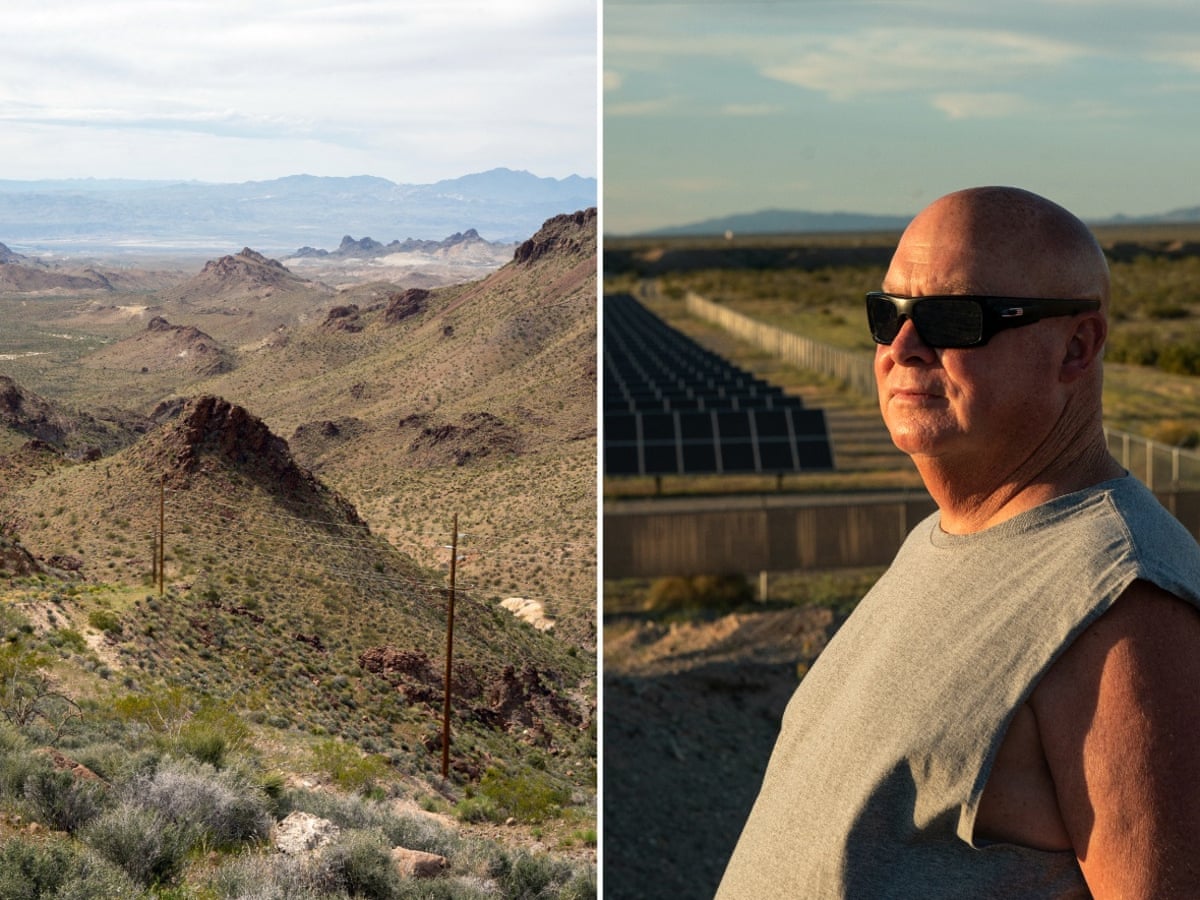
Biking along the 850-mile Arizona Trail from Utah to Mexico, climate reporter Joan Meiners has witnessed firsthand the legal and environmental challenges that beset the state. Her journey through scorching deserts, rocky passages, and historic mining communities offers a window into the fine points of our nation's struggle with land use. As fires blacken forests and the promise of critical minerals stokes modern economic aspirations, the twists and turns on the trail underscore an important legal debate: how do we protect our cultural and ecological heritage while addressing the demands of a clean energy future?

Historical Myths and Legal Realities in the Superstition Wilderness

In the shadowed canyons of the Superstition Wilderness, local lore tells of an infamous European prospector called the “Dutchman” who, in the 1870s, unearthed a legendary secret. According to the myth, the Dutchman struck gold in these forbidding peaks and left behind hidden caches and a treasure map that would become a magnet for fortune seekers. Though many geologists argue that there is little evidence of actual gold deposits in these volcanic hills, the persistent myth continues to draw treasure hunters and dreamers alike.

From a legal perspective, the Dutchman’s tale has evolved into a symbol of the sometimes confusing bits of property law and resource rights. While prospectors sought a quick solution to their financial woes, today’s debates focus on the modern legal frameworks that govern land ownership, mineral rights, and environmental protection on public lands. The legends of the past serve as a reminder that our legal system must address not only the economic desires for rapid wealth but also the tangled issues of public access, environmental stewardship, and cultural respect.

Understanding the Historical Context and Its Legal Implications

Historical narratives such as the Lost Dutchman legend are more than just colorful stories. They highlight:

  • The persistent allure of a quick fix — the promise of rapid wealth through resource extraction.
  • The need to preserve cultural narratives and familial ties to the land.
  • The legal challenges of regulating treasure hunting versus legitimate mining operations.

Legal scholars argue that these historical threads are interwoven with modern law in multiple ways. For instance, land rewilding and environmental conservation efforts rely on legal frameworks that respect historical narratives while still promoting sustainable use of resources. The fine details of such laws require decision makers to get into the nitty-gritty of both the historical context and modern economic demands.

Environmental Law Meets Cultural Heritage: The Case of Oak Flat

Not far from Lost Dutchman State Park lies Oak Flat—a site of immense sacred value to the Apache people. For decades, this land has been at the centre of a heated debate between those who see it as a cultural and environmental sanctuary and those who view it as a keystone for the nation’s clean energy future through the extraction of copper. The controversy over Oak Flat illustrates the challenging legal landscape where indigenous rights, environmental law, and resource extraction collide.

From the legal perspective, this debate is not merely about the economic benefits of copper mining but also about the right to protect an area seen as irreplaceable by indigenous communities. Legal experts and activists alike contend that decisions regarding Oak Flat should involve both traditional environmental values and modern legal considerations. Some key points include:

  • Recognition of indigenous legal traditions and long-held spiritual ties to the land.
  • Assessment of environmental laws that aim to preserve biodiversity and protect public lands.
  • Considerations around economic promises made in the name of the clean energy transition.

Legal precedents in land use and environmental impact assessments have shown that when communities are not properly involved in the decision-making process, the result is often a legal stalemate and a deep-seated sense of injustice. The Oak Flat controversy underlines the necessity for a more inclusive approach, where indigenous voices are not just heard but actively integrated into the policy-making process.

Indigenous Rights, Legal Protein, and Environmental Stewardship

The Apache people’s relationship with Oak Flat is a prime example of a legal case that is full of problems—issues that are as much about culture and identity as they are about economic opportunity. Karen Bradshaw, an environmental law professor at Arizona State University, notes that many of the higher court judges have rarely spent time in western landscapes, which creates a disconnect between evolving ground realities and legal judgments. This geographical and cultural gap can make legal decisions appear intimidating and off-putting for local communities who value their heritage.

A closer look at this debate reveals several tangled issues that need to be addressed:

  • How to reconcile economic development with the equally compelling need to preserve indigenous cultural spaces.
  • Determining the legal thresholds of environmental degradation versus cultural loss.
  • Creating frameworks that honor both heritage and progress without leaving either side feeling shortchanged.

It is essential to recognize that legal frameworks must adapt to these new realities. The Apache perspective, rooted in centuries of land stewardship, challenges modern interpretations of environmental justice and resource allocation. Legal scholars and policymakers must figure a path that brings together traditional environmental activism, modern legal principles, and the nuanced realities of indigenous worldviews.

The Legal and Economic Balancing Act in Resource Extraction

The debate over mining projects like the copper mine backed by Resolution Copper is emblematic of the complicated pieces that policymakers face today. Promoters of the mining project argue that the extraction of copper is super important for the clean energy transition. They point to the need for domestic production of rare earth metals to curb dependency on foreign sources, and they highlight the job creation and economic revitalization benefits for local communities. However, these economic arguments come with their own share of tricky parts.

Legal debates on resource extraction tend to be influenced by several factors:

  • The environmental impact of large-scale mining operations.
  • Community and indigenous opposition based on historic, cultural, and environmental grounds.
  • Economic promises that sometimes feel like marketing solutions rather than genuine improvements in quality of life.

Local residents and many legal experts argue that the push for expanded mining is often loaded with tension—a marketing pitch that overlooks the subtle details of environmental conservation. For example, while proponents of the mine tout its potential to supply copper for renewable energy technologies, critics point out that the full cost of environmental damage, displacement of communities, and loss of sacred land often does not receive adequate legal attention.

Comparing Economic Incentives and Legal Risks

A table below outlines some of the key differences between the economic incentives for mining versus the legal risks and cultural implications involved:

Aspect Economic Incentives Legal and Cultural Risks
Job Creation Boosts local economies and provides employment opportunities. May lead to displacement and loss of local community dynamics.
Resource Supply Supports clean energy initiatives through domestic production. Environmental degradation and potentially irreversible damage to sacred sites.
Regulatory Framework Facilitates structured extraction processes under modern laws. Often based on outdated legal frameworks that do not account for indigenous rights.
Marketing vs. Reality Offers promises of progress and economic transformation. Reveals potentially misleading marketing that can ignore the nerve-racking side effects of mining.

Striking a balance between these economic prospects and the legal protections for cultural and environmental values is a challenge that lawmakers and communities must tackle head-on. The debate, as seen with Resolution Copper, frequently pits the allure of short-term financial gains against the long-term health of communities and the protection of local natural resources.

Climate Change, Legal Responses, and Community Resilience

Climate change is a dominant force influencing the way communities approach the management of public lands. While some argue that the primary focus should be on reducing carbon emissions to broadly protect neighborhoods and ecosystems, others highlight the immediate need to safeguard local resources and cultural heritage. This dual focus creates a legal and environmental puzzle where the fine points of regulatory law must address both immediate and long-term challenges.

State and local governments, along with community activists, are increasingly calling for a reimagined legal framework that can:

  • Address the environmental impacts of climate change through aggressive carbon reduction targets.
  • Ensure that new policies respect the traditional land and natural values cherished by local and indigenous communities.
  • Encourage sustainable practices that mitigate the nerve-racking drops in biodiversity and water access.

Legal campaigns across Arizona are aiming to bridge the gap between national clean energy plans and local community needs. Karen Bradshaw and other advocates emphasize that the environment is not simply a resource to be commoditized but a living ecosystem that requires thoughtful, balanced legal stewardship. They argue that decision-makers should take a closer look at how policies designed to reduce emissions might inadvertently conflict with the protections needed for areas of sacred cultural significance.

Legal Approaches to Climate and Environmental Protection

There are several legal strategies currently under discussion that offer potential solutions to these tangled issues. Some of these approaches include:

  • Enhanced Environmental Impact Assessments: Legal reforms to ensure that every new mining or infrastructure project undergoes rigorous reviews that consider both environmental consequences and cultural impacts.
  • Community Advisory Boards: Establishing structures where local residents and indigenous representatives have a direct voice in the drafting and implementation of environmental policies.
  • Innovative Land Use Regulations: Crafting nuanced policies that balance the needs for resource extraction with the imperative to preserve public lands and wildlife corridors.

These proposals are still in the early stages, and many of the mechanisms are as nerve-racking to implement as they are promising in theory. However, trying to reconcile the competing interests of environmental activists, business proponents, and indigenous communities is a critical legal task that cannot be ignored.

Legal Strategies for Sustainable Resource Management and Cultural Preservation

The intricate dance between conserving natural landscapes and fostering economic development requires a flexible and adaptive legal system. Lawmakers on both federal and state levels are attempting to craft policies that embrace multiple perspectives—from the high court justices who may have little familiarity with western terrain to grassroots community advocates on the Arizona Trail.

This effort involves a number of key legal strategies:

  • Adaptive Regulatory Frameworks: Legislators must work toward laws that are responsive to changing environmental conditions and evolving community needs. These regulations should be designed to work through the maze of tax laws, environmental standards, and public land rights.
  • Transparent Public Consultation: Ensuring that community members have an opportunity to get into the fine details of any proposed project fosters trust and makes the legal process less overwhelming.
  • Integrated Resource Management: By combining conservation strategies with the sustainable extraction of natural resources, the law can help steer through conflicting priorities in a more balanced way.

This legal balancing act is reminiscent of an old adage: “There’s no silver bullet, only silver buckshot.” In other words, rather than relying on one sweeping solution, the legal community must execute multiple small steps that together form a robust framework for sustainable development. Each of these actions is a piece of the larger puzzle that includes community resilience as a critical component.

Case Studies: How Legal Interventions Made a Difference

Looking at past successes can provide a roadmap for future legal interventions:

  • The Sierra Club’s Role: By consistently challenging land exchange deals that threatened irreplaceable natural areas, the Sierra Club helped articulate that some pieces of land hold more cultural and environmental value than the ore beneath them.
  • Community-Driven Environmental Reviews: Several municipalities in Arizona have instituted policies where community input directly influences environmental impact assessments, ensuring that decisions are not made behind closed doors.
  • Multi-Agency Collaborations: Joint initiatives between federal, state, and tribal agencies have seen success in managing disputes over land use while balancing economic needs with preservation goals.

These case studies highlight the importance of a legal system that is both flexible enough to adapt to local realities and robust enough to ensure consistent protection of environmental and cultural values. The lessons learned here are as applicable to the debates surrounding Oak Flat and copper mining as they are to the ongoing challenges posed by climate change across the state.

Community Narratives: A Glimpse into the Lives Affected by Legal Decisions

Beyond the courtroom debates and legislative reforms lie the real lives of people and communities who are directly impacted by these legal decisions. For hikers, bikers, and local residents alike, the Arizona Trail is more than a recreational path—it is a living canvas of our shared natural and cultural heritage.

During her journey, climate reporter Joan Meiners encountered a range of perspectives, from Karen Bradshaw’s immersive family expeditions into the wild to local activists like Sandy Bahr, who have dedicated decades to watching over Arizona’s landscape. Interviews and personal stories from these encounters reveal:

  • The personal cost of environmental degradation: Many community members have expressed how the loss of public lands not only affects the local economy but also erodes a collective cultural identity.
  • Discontent with top-down legal processes: There is a common sentiment that those drafting environmental impact statements often miss the small distinctions that matter to everyday people.
  • The challenge of balancing modern priorities with traditional values: While economic development can promise job creation and technological advancement, it can simultaneously disrupt longstanding cultural practices and natural habitats.

These community narratives make it clear that legal policies are not mere technical legal instruments. They directly influence community wellbeing, social cohesion, and the delicate environmental balance. The legal decisions made in corridors far from the epicenters of nature can feel both overwhelming and off-putting to those whose lives depend on the land.

Community Engagement as a Legal Imperative

For a law to be truly effective in managing public lands and protecting cultural heritage, it must incorporate community voices in its design and implementation. Some legal strategies to achieve this include:

  • Town hall meetings and public forums: Creating spaces where local communities, indigenous leaders, environmental activists, and policymakers can get together and hash out the tricky parts of contentious projects.
  • Legal clinics and advisory groups: Offering legal assistance and proactive information-sharing ensures that affected communities can navigate the complicated pieces of property law.
  • Collaborative drafting of environmental regulations: Including community representatives in the drafting process for policies that affect public land management can make these regulations more sensitive to local conditions and cultural values.

This kind of engagement not only builds trust but also stakes out a shared responsibility for the future of Arizona’s landscapes. It also helps bridge the geographical and political divide that sometimes makes legal debates on public lands appear disconnected from the ground realities.

Legal Reflections on the Journey: Lessons from the Arizona Trail

The Arizona Trail is a microcosm of the legal and environmental challenges facing many parts of the American West. From the rocky slopes of the Superstition Mountains to the sacred corridors of the Oak Flat region, the struggle to protect natural beauty while fostering economic progress is loaded with issues that are both complicated and nerve-racking.

This physical journey, marked by moments of breathtaking beauty and unexpected setbacks (like a suddenly loose thruaxel on a long bike ride), mirrors the unpredictable path of legal reform. Just as a cyclist must continually adjust gears and recalibrate after encountering rough terrain, our lawmakers must be agile in finding legal solutions that respect both the past and the future.

Several key lessons emerge when reflecting on the legal aspects of this journey:

  • Flexibility is key: Just as trail conditions can change in an instant, the legal framework governing land use and environmental protection must be equally adaptable.
  • Inclusivity matters: Legal processes that integrate diverse voices—especially those from indigenous and local communities—tend to produce outcomes that stand the test of time.
  • No single solution fits all: As the saying goes, “there’s no silver bullet, only silver buckshot.” Multiple small, considered legal steps can collectively address the broad challenges posed by climate change and resource management.

These lessons are not unique to Arizona but resonate with legal challenges across the country and even globally. In many ways, the Arizona Trail stands as a testament to the ongoing need for legal systems that can manage the problematic intersections between tradition, economic development, and environmental preservation.

The Role of Legal Education and Advocacy

Educators like Karen Bradshaw play a pivotal role in preparing the next generation of legal experts to get into the nitty-gritty of environmental law. By rewilding her own yard and writing about legally sharing land with wildlife, Bradshaw provides an example of how legal advocacy can extend into everyday life. Her suggestion that even Supreme Court justices might benefit from a retreat into nature highlights a critical point: understanding the local, on-the-ground realities is a must-have piece of knowledge for those drafting national policies.

This hands-on approach to legal education ensures that future decision makers are well-equipped to work through the tricky parts of public land management. It reinforces the idea that legal solutions must be both pragmatic and mindful of deep-rooted cultural values—a balance that is essential for ensuring sustainable and equitable outcomes for all stakeholders.

The Road Ahead: Sustainable Legal Frameworks for Public Lands

As Arizona—and indeed the nation—faces the dual pressures of climate change and economic transformation, the need for robust and adaptable legal frameworks has never been more urgent. The lessons drawn from the Arizona Trail and disputes like Oak Flat offer valuable insights into how we might craft policies that are both responsive and forward-looking.

Looking ahead, several opportunities for legal reform stand out:

  • Modernizing Environmental Laws: Revising outdated legal provisions to better account for current environmental realities and indigenous perspectives is a critical step.
  • Enhancing Stakeholder Collaboration: Creating legal mechanisms that foster direct collaboration between government agencies, local communities, indigenous groups, and private enterprises can help resolve the tangled issues that arise in resource extraction debates.
  • Investing in Sustainable Alternatives: Rather than relying solely on mining projects, legal frameworks should prioritize research and investment into alternatives such as urban recycling of critical minerals, efficient energy use, and renewable energy storage—measures that can reduce pressure on irreplaceable lands.

These initiatives require a commitment not just from lawmakers in Washington, but from local governance bodies and communities who are on the front lines of environmental change. In many respects, the road ahead involves a collaborative reimagining of the relationship between law, nature, and culture—an agenda that bridges the gap between local traditions and the pressing demands of modern energy production.

Key Challenges and Opportunities for Legal Reforms

To better understand the opportunities for reform, consider the following summary of the main challenges:

Challenge Opportunity for Legal Reform
Tangled issues of cultural heritage vs. resource extraction Develop comprehensive impact assessments that integrate indigenous and community inputs
Disputed land rights and regulatory gaps Modernize property and environmental laws to reflect contemporary ecological and cultural values
Environmental degradation driven by climate change Create adaptive legal frameworks that encourage sustainable practices and renewable technologies
Fragmented stakeholder communication Establish permanent advisory boards at local and state levels to ensure transparent dialogue

This table underscores that the solution is not a one-dimensional response but rather a multifaceted legal strategy that must address both immediate and long-standing issues. Ultimately, the goal is to create legal frameworks that respect the rich tapestry of Arizona’s natural beauty, cultural legacy, and community aspirations.

Conclusion: Charting a Balanced Legal Course

As the Arizona Trail winds its way through landscapes steeped in myth, history, and modern legal battles, it serves as a vivid illustration of the delicate balance between progress and preservation. The journey from the rocky ascents near the Superstitions to the arid depths beside the Gila River is emblematic of how legal debates extend far beyond the confines of the courtroom—they have tangible impacts on daily life, community identity, and the environment itself.

The legal challenges outlined here—whether they involve the search for mythical gold or the real-life struggle to protect culturally significant lands like Oak Flat—demand a balanced approach. Policymakers, legal experts, and community advocates must work together to manage the small distinctions, hidden complexities, and nerve-racking surprises that will undoubtedly arise as we search for sustainable solutions.

In the end, a legal system that takes a closer look at the subtle details of both our environmental and cultural landscapes can help ensure that the legacy of places like Arizona is not lost in the push for quick fixes. Instead, by combining adaptive regulatory measures, comprehensive public consultations, and a sincere commitment to protecting our shared heritage, we can steer through the tangled issues of resource extraction and cultural preservation with prudence and integrity.

The Arizona Trail reminds us that every legal decision, much like every twist and turn on the trail, can lead to new opportunities for growth, justice, and sustainability. It is a call to all of us—lawmakers, community members, and citizens—to work together to find a path that honors both the promise of economic advancement and the deep-rooted value of our natural and cultural heritage.

In a world where the challenges of climate change, economic necessity, and cultural preservation are more intertwined than ever, the road ahead will unlikely be free of frustrating obstacles. But as we take each careful step—backed by thoughtful legal frameworks and a spirit of collaborative engagement—we can ensure that future generations inherit not only a legacy of untamed natural beauty but also a legal system that truly reflects the multifaceted character of our society.

Originally Post From https://www.azcentral.com/story/news/local/arizona-environment/2025/11/17/arizona-trail-offers-view-of-whats-at-stake-in-oak-flat-mine-battle/87254068007/

Read more about this topic at
Navigating environmental sustainability trade-offs within ...
Navigating the trade-offs of ecological, economic, and ...

Share:

Judge Overrules Regulators and Approves Mohave County Gas Plant Expansion

Judge Overrules Regulators and Approves Mohave County Gas Plant Expansion

Overriding Decisions: A Closer Look at the Mohave County Gas Power Plant Expansion Controversy

The recent ruling by Judge Dewain Fox, which overruled the Arizona Corporation Commission’s decision to approve UNS Electric’s gas power plant expansion, raises more questions than answers about the way our state handles environmental reviews for energy projects. In this opinion editorial, we aim to dig into the tangled issues, subtle parts, and hidden complexities behind the legal maneuvering that allowed a controversial expansion to sidestep standard environmental scrutiny.

Understanding the Legal Framework for Environmental Reviews in Arizona

At the heart of the matter lies Arizona law that requires a certificate of environmental compatibility before power plants exceeding 100 megawatts can be built. The law was designed to ensure that significant projects undergo a thorough review process to protect the state’s natural resources and public health. In the case at hand, UNS Electric attempted to get around this requirement by splitting its project into four separate 50-megawatt units. This approach, while creatively exploiting the legal language, twisted the intended purpose of the regulation.

The ruling highlighted that while the commission—comprised of five elected officials—accepted this division as a way to dodge full environmental review, the arrangement was called into question by the subsequent decision rendered by Judge Fox. Instead of addressing every subtle detail of the law, the judge focused on the fact that state regulations did not grant the commission the authority to reverse the committee’s decision. This focus leaves us with an uncomfortable awareness of how rigid and possibly outdated interpretations might permit projects to bypass environmental safeguards.

The case also reminds us that:

  • The law intends to ensure that projects with significant potential impacts are reviewed
  • The approach of breaking an expansion into smaller units to avoid review is controversial
  • Judicial oversight is crucial when agencies and committees provide conflicting interpretations

These points underscore a central tension: the state’s energy ambitions and regulatory measures designed to protect the environment are at odds, leading to puzzling bits that need further scrutiny.

The Judge’s Ruling: Confusing Bits and Legal Twists

Judge Fox’s decision did not settle the overall debate regarding environmental review exemptions; instead, it merely sidestepped the question of who accurately interprets the state law. By ruling that the Arizona Corporation Commission exceeded its authority in reviewing the committee’s rejection, the judge introduced a new dimension to the discussion. The decision underlines that while one regulatory body might favor a particular legal interpretation, the ultimate arbiters—our courts—may decide otherwise based on narrow statutory interpretations.

This court decision reveals that:

  • The fine points of regulatory approval can lead to legal deadlocks
  • Decisions made by agencies can come into conflict with a judge's perspective on statutory powers
  • Even when the law appears clear on the surface, its application can be full of problems in practice

In its essence, the judge’s ruling directs the case back to the drawing board. The Power Plant and Line Siting Committee must now reexamine the utility’s request for a certificate of environmental compatibility. By doing so, stakeholders will have another opportunity to negotiate the fine shades of state law and regulatory authority.

Environmental Safeguards Versus Energy Expansion: A Balancing Act

One of the key issues brought up by this case is finding your way between the need for environmental oversight and the pressure to expand energy infrastructure. On one hand, utilities like UNS Electric argue that dividing the expansion into smaller units is entirely legal, allowing them to grow capacity without undergoing a comprehensive environmental review. On the other hand, environmental advocates contend that such a tactic undermines laws enacted decades ago to address environmental impacts.

This balancing act is emblematic of the broader debate in energy policy:

Aspect Utility Perspective Environmental Advocate Perspective
Project Size Dividing into smaller units is legally permissible Collectively, the expansion exceeds limits, requiring full review
Regulatory Intent Focus on meeting demand efficiently Ensuring environmental impacts are fully assessed and mitigated
Legal Interpretation Exploiting technicalities within the law Maintaining the spirit and intent of environmental protection legislation

Looking at the table, it becomes evident that the debate is not merely academic—it has real-world implications in how power projects are approved and implemented. The case challenges us to consider if the current regulatory framework is up to the task of addressing modern environmental challenges while also accommodating the inevitable growth in energy demand.

A Closer Look at the Committee’s Role in the Review Process

Another layer of complexity in this controversy involves the role of the Arizona Power Plant and Transmission Line Siting Committee, an unelected body charged with reviewing new power projects. The committee originally voted 9-2 to reject UNS Electric’s request for an exemption. Their decision was based on decades of interpreting state law, ensuring that environmental aspects are not brushed aside by technical maneuvers.

Critics of the committee’s decision argued that the law’s wording was ambiguous, allowing room for utilities to argue that smaller divisions fall outside the review threshold. However, supporters maintain that the committee’s cautious approach is necessary to maintain the integrity of laws enacted in 1971—a time when environmental awareness was gaining momentum.

This back-and-forth over the committee’s role highlights several central points:

  • The unelected nature of the committee might make their decisions seem less representative
  • Even expert bodies can face challenges when laws are outdated or written with too much leeway
  • The decision-making process emphasizes the need for renewed legislative clarity

Clearly, if the law is to be effective, all decision-making bodies—from technical committees to elected commissions and ultimately the judiciary—must be aligned. As it stands, the current debate leaves citizens wondering whether modern energy needs can be met without compromising environmental safeguards.

Long-Term Implications for Energy Policy and Environmental Protection

Looking ahead, the Mohave County gas power plant expansion case reveals a broader tension in Arizona's energy and regulatory landscape. As the state continues to explore and sometimes quickly authorize large-scale energy projects, the potential exists for more utilities to use similar strategies to avoid environmental review. Critics argue that continuing down that path could slowly erode the checks and balances originally set in place to protect our environment.

The decision, though narrowly focused on jurisdictional authority in this instance, sets a worrying precedent. It signals that:

  • Regulatory loopholes might be exploited more frequently in future projects
  • There may be increased pressure on judicial authorities to rule on disputes that stem from technical interpretations rather than substantive environmental concerns
  • Proponents of environmental protection must now work even harder to ensure that the original intent of state laws is preserved

This unfolding situation is a reminder that, while the energy needs of our communities progress at a rapid pace, the pathways that control these expansions must be carefully examined and updated. Ensuring that environmental reviews are comprehensive and truly reflective of public welfare is not an off-putting legal challenge—it’s a super important societal task.

Challenges of Interpreting Outdated Legislation in a Modern Context

The case exemplifies the difficulties inherent in applying decades-old laws to modern, complex projects. The Certificate of Environmental Compatibility, while critical at its inception, now faces the task of adapting to a world where power plant designs and energy demands have changed considerably over the years. In today's environment, trying to get around these technical components of the law can seem both innovative and problematic.

This state of affairs is loaded with issues:

  • Outdated language may open doors to interpretations that do not reflect current environmental standards
  • Utilities might find creative ways to argue their case, relying on the letter rather than the spirit of the law
  • Judicial decisions tend to focus on procedural correctness rather than on evaluating the environmental impact per se

To safeguard both innovation in energy production and environmental integrity, legislators may need to revisit and revise the laws. This will help clear up some of the confusing bits that arise when technical details and environmental concerns collide.

The Role of Judicial Oversight in Energy Regulation

Judge Fox’s ruling is a classic example of the judiciary stepping in to clarify issues that may arise among administrative agencies. The judicial system is often the final arbiter when tangled issues between regulatory bodies come to a head. In this instance, rather than taking a stand on whether UNS Electric’s interpretation of the law should be allowed, the judge instead focused solely on the commission’s overreach of its authority.

This approach has both supporters and detractors. On one hand, it reinforces the idea that no agency is above the legal framework established by the state. On the other hand, by avoiding a determination on the broader question of environmental review requirements, it leaves fundamental questions unanswered. Here are some critical observations:

  • Judicial restraint: The judge avoided a deeper legal confrontation and instead identified a procedural flaw.
  • Legal ambiguity: By not engaging with the full scope of the state law’s intent, the ruling leaves future litigation almost inevitable.
  • Administrative limits: Regulatory bodies must work within the powers specifically granted to them, or risk having their decisions overturned.

Even as the case is sent back for reconsideration, the overarching message is clear: our legal structures, including the roles of committees and commissions, need pressing reform if they are to remain effective in a fast-changing energy landscape.

How Will This Decision Affect Future Power Projects?

With the case now sent back to regulators and the Power Plant and Line Siting Committee, all eyes are on what comes next. This ruling doesn’t spell the end for UNS Electric’s expansion at Black Mountain Generating Station but rather postpones its realization pending further review. For other utilities, however, the decision may signal an opportunity to reframe their strategies when proposing large-scale power projects.

To better understand the potential impacts, consider the following bullet points:

  • The decision could encourage utilities to more audaciously divide projects into smaller segments to avoid triggering environmental reviews.
  • Environmental organizations may push harder for legislative reforms, arguing that the current framework simply does not account for modern energy production needs.
  • The interplay between elected regulatory bodies, unelected committees, and the judiciary will likely become a recurrent theme in energy policy disputes moving forward.
  • Court decisions like Judge Fox’s might lead to more disputes over jurisdiction rather than focusing on the broader environmental consequences of large factory-scale energy projects.

As we consider these possibilities, it is crucial to strike a balance between promoting energy infrastructure development and ensuring that such developments do not bypass the key environmental reviews designed to guard public and ecological welfare.

Contending with Loopholes: The Utility’s Perspective

From the standpoint of large utilities, using legal and technical workarounds is often viewed as a necessary evil to meet rising energy demands. deconstructing the arguments put forth by UNS Electric, one sees a consistent narrative: that splitting a large project into smaller units should not trigger a full environmental review, primarily because it meets the literal requirements of the law.

However, relying on such interpretations can create significant precedent issues. Critics argue that accepting such maneuvers undermines critical environmental protections built into the law in the first place. To illustrate the potential pitfalls, consider the following summary:

  • Technical Fix vs. Environmental Reality: While dividing the project may technically sidestep the environmental review requirements, it does not reduce the overall impact that the expanded plant might have on local ecosystems and communities.
  • Precedential Risks: Granting such exemptions could pave the way for additional loopholes in the future, eroding the regulatory framework designed to ensure sustainable development.
  • Public Confidence: When the public perceives that utilities can circumvent vital environmental safeguards, it erodes trust in both regulatory oversight and the broader energy policy framework.

As policymakers and regulators think about future cases, these points must be central to any discussions aimed at reforming current laws. It isn’t just a matter of legal semantics—there’s a real risk that public welfare could be compromised if environmental reviews are consistently sidestepped through technicalities.

The Broader Debate: Energy Independence vs. Environmental Responsibility

The case we are examining is more than just a dispute between regulatory bodies and utilities—it is emblematic of the broader societal debate between the need for energy independence and the commitment to environmental responsibility. Advocates of aggressive energy expansion argue that increasing power production is critical to meet the state’s growing needs, stimulate economic development, and reduce dependence on external energy sources.

Conversely, environmental groups and many local communities stress that unchecked energy development can have far-reaching consequences for public health and the natural landscape. The conflicting objectives create a maze of legal and practical issues that require careful, measured responses.

Key points in this broader debate include:

  • Economic Growth: Expanding power plants can drive development and create jobs, but at what cost if environmental impacts are minimized?
  • Sustainability Goals: Long-term environmental sustainability must be prioritized to avoid irreversible damage to local ecosystems.
  • Legal Clarity: Legislators have a duty to create clear, unambiguous statutes that prevent technical loopholes from undercutting environmental protection.

Clearly, the interplay between energy policy and environmental oversight is not simply a matter of technical legalities—it is a matter of balancing competing interests and working through the difficult decisions that come with managing public resources. The situation in Mohave County is a stark reminder that these choices must be revisited and reformed periodically to reflect evolving societal and environmental values.

The Need for Legislative Reform: Fixing the Tangled Pieces

Given the challenges exposed by this decision, there is a compelling case for legislative reform. Arizona’s existing laws, written in an era when energy needs and environmental impacts were very different, now appear riddled with tensions that create opportunities for technical workarounds.

Legislators might consider the following adjustments to address the issues at stake:

  • Clarifying the Definition: Explicitly defining what constitutes a “power plant” for review purposes could reduce ambiguity. For instance, rather than having a hard cutoff at 100 megawatts, the law could consider the collective impact of multiple units operating in tandem.
  • Streamlined Review Processes: To balance the demands of energy expansion and environmental stewardship, a more nuanced review process could be developed that differentiates between projects with differing levels of environmental risk.
  • Enhanced Accountability for Agencies: Establishing clear lines of authority among committees, commissions, and court review can help avoid the kind of legal back-and-forth seen in this case.

Ultimately, any reforms should seek to remedy the confusing bits and simplifying the fine points of the legal process, ensuring that environmental reviews are neither a nerve-racking bureaucratic obstacle nor an easy target for circumvention.

Statewide Repercussions of the Judge’s Decision

The reverberations of Judge Fox’s ruling are likely to extend well beyond Mohave County. Several key statewide implications are evident:

  • Precedent Setting: Judicial decisions of this nature often serve as precedents for how similar cases are approached in the future. If agencies know that their jurisdictional overreach may be challenged successfully in court, they might adopt more conservative approaches or, conversely, push the legal limits further.
  • Legislative Attention: Lawmakers may now be prompted to reexamine the environmental review statutes, taking a closer look at how loopholes can be closed without chilling energy infrastructure development.
  • Utility Behavior: Utilities may recalibrate their project proposals to avoid decisions that could later be overturned, thereby affecting timelines and potentially leading to more conservative project designs that are less susceptible to legal challenges.
  • Public Discourse: The intensive debate between economic growth and environmental protection is now brought into sharper focus, forcing all stakeholders—from business leaders to environmental groups—to reengage with the core values that underpin our state’s policy framework.

These statewide repercussions underscore the fact that while individual cases might seem isolated, their impact extends deeply into the fabric of state governance and policy formulation. The need to balance economic imperatives with environmental stewardship is a recurring theme that demands urgent attention amid evolving energy landscapes.

Legal Precedents and Their Impact on Future Regulatory Interpretations

Historically, cases like this one have played a critical role in shaping not just energy policy but the overall legal framework guiding administrative decisions. By focusing on the technical question of jurisdiction rather than the substance of the environmental review, Judge Fox has paved the way for future cases to explore similar legal loopholes.

This approach is a double-edged sword:

  • Positive Aspects: It reinforces the principle that all agencies must act within their clearly defined powers, thereby protecting the rights of citizens against regulatory overreach.
  • Negative Aspects: It also leaves unresolved the larger question of whether current environmental review laws are adequate enough to address modern challenges, potentially forcing another wave of legal challenges in the future.

For legal scholars and policymakers, this case offers an opportunity to reexamine past precedents and assess whether current interpretations of state laws are sustainable in today’s fast-changing energy market. Regulatory ambiguity should not be allowed to become the norm; rather, it must be addressed through consistent, thoughtful legislative action that restores clarity and accountability across the board.

Examining the Broader Context: Energy Policy and Environmental Justice

The Mohave County decision also intersects with pressing concerns about environmental justice. Communities near power plants often bear a disproportionate share of the environmental and health impacts associated with energy production. The decision to allow a power plant expansion—even if temporarily stalled for further review—sends a message about the priorities of regulatory bodies and legislators.

Several factors need to be considered from an environmental justice perspective:

  • Community Health: Increased emissions and other environmental impacts from power plants can lead to long-term public health concerns, particularly in marginalized communities.
  • Economic Considerations: While energy projects can spur local economies, the benefits must be weighed against potential environmental degradation and the associated costs of health care and remediation.
  • Transparency and Accountability: A transparent decision-making process that includes meaningful community input is essential to ensure that the public’s interests are represented fairly.

Balancing these issues is not a simple task—it requires thoughtful consideration of both the economic benefits of energy expansion and the potential risks to community well-being. In this light, the case has become a microcosm of larger societal questions about how best to achieve sustainable development while safeguarding vulnerable populations.

Potential Reforms: Building a More Equitable and Effective Regulatory System

In response to cases like this, advocates on both sides are calling for reforms that would streamline regulatory processes while ensuring that environmental protections are not compromised. Some proposals include:

  • Revising the Statutory Threshold: Updating the legal definitions and thresholds for power plant sizes to reflect today’s technological and environmental realities.
  • Integrating Stakeholder Input: Establishing forums for community members, environmental experts, and industry representatives to advise on major projects, ensuring that a wider array of perspectives is considered in the approval process.
  • Enhancing Coordination Between Agencies: Creating clearer lines of communication and accountability between unelected committees, elected commissions, and the judiciary to reduce the chances of conflicting decisions.
  • Periodic Legal Reviews: Mandating regular reviews of environmental statutes to ensure they remain relevant as technology and energy needs evolve over time.

Implementing these reforms would not only help close current legal loopholes but also demonstrate a commitment to sustainable, equitable development. While the notion of change can be intimidating and might seem like a nerve-racking process, it is a must-have step toward protecting the long-term interests of both our energy infrastructure and our environment.

Lessons Learned and the Road Ahead

Reflecting on the developments surrounding the Mohave County gas power plant expansion, several clear lessons emerge:

  • Precision in Legislation: The need for clear, unambiguous legal language in environmental statutes cannot be overstated. When language is open to too many interpretations, it creates room for technical workarounds that may undermine the statute’s original purpose.
  • Judicial Intervention: The judicial system remains an essential checkpoint in ensuring that regulatory bodies do not exceed their powers, even if its decisions sometimes sidestep broader policy questions.
  • Stakeholder Collaboration: Effective energy policy must involve not just regulators and utilities, but also community stakeholders, environmental advocates, and legal experts to navigate the muddy bits of public policy.
  • The Balance of Growth and Protection: It is critical to strike a balance between supporting energy expansion and upholding environmental safeguards, a balance which requires ongoing dialogue and reform.

The current case is a snapshot of an evolving legal and political landscape where the scales of energy independence versus environmental stewardship are constantly in flux. As we move forward, it is essential for lawmakers, regulators, the judiciary, and the public to work together to craft policies that meet the needs of modern society while protecting our critical natural resources.

Final Thoughts: Sorting Out the Twists and Turns of Energy Regulation

In conclusion, the Mohave County gas power plant expansion controversy is packed with tricky parts and tangled issues that underscore the pressing need for legal and regulatory reform. The case has exposed not just a questionable interpretation of environmental review law but also the broader challenges facing the energy sector today. The judge’s ruling, though narrow in scope, opens up a broader conversation about ensuring that technical loopholes do not erode essential environmental protections.

The path forward calls for a concerted effort to dig into the fine points of existing laws, rework outdated language, and restore confidence in the regulatory process. Future decisions on energy projects must safeguard public interests and environmental values alike, ensuring that our state can continue to develop responsibly—even as the demand for energy grows.

By taking a closer look at cases like this one, we are reminded that the debate is not about stalling progress, but about ensuring that progress is sustainable, equitable, and just for everyone. Whether you are a utility executive, a policy maker, or an everyday citizen, it is super important to be informed and engaged in these discussions. Ultimately, these twists and turns in legal interpretations are more than just academic puzzles—they are signals that our energy future, and the protection of our environment, depend on the careful, thoughtful balancing of competing needs.

As stakeholders continue to figure a path through these challenging issues, one thing is clear: the road ahead is layered with subtle parts and nerve-racking complexities, yet it also offers a unique opportunity to overhaul outdated systems and create a more resilient, responsible framework for the future of energy in Arizona.

This is not just about one judge’s ruling or one company’s ambitions—it is about building a sustainable legacy for generations to come. Let this case serve as a catalyst for broader discussion and reform, ensuring that as we power our future, we never lose sight of the environmental stewardship that sustains us all.

Originally Post From https://www.kjzz.org/politics/2025-10-21/judge-overrides-regulators-approval-of-mohave-county-gas-power-plant-expansion

Read more about this topic at
Federal judge blocks Trump's effort to expand speedy ...
Federal judge blocks Trump effort to expand fast-track ...

Share:

Globe Miami Battles Devastating Floods Damaged Buildings and Muddy Streets

Globe Flooding Incident: A Legal Perspective on Declaring a State of Emergency

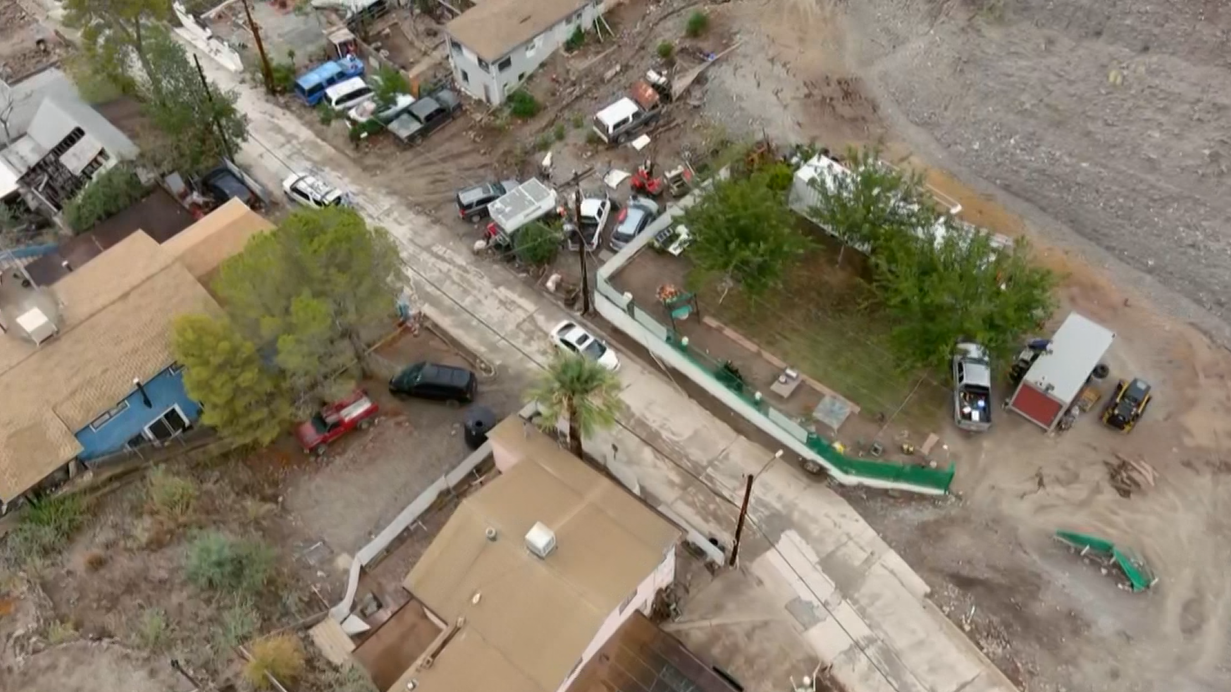
The recent heavy rainfall and subsequent flooding in the Globe-Miami area of Gila County has left local residents and business owners facing a series of tricky parts in both recovery and legal accountability. As the mayor of Globe prepares to declare a state of emergency, legal experts have begun to analyze the tangled issues that arise from governmental responsibility, property damage, and community safety. This opinion editorial digs into the legal ramifications and emergency response issues with a careful look at the relevant legal framework in Arizona.

The flooding situation stems from intense thunderstorms that dumped between 1 and 2½ inches of rain over a short period. The result was severe mudslides, obstructed streets, and damaged infrastructure across Globe, Miami, and the surrounding towns. The public works director of Globe, John Angulo, has noted that the damage is extensive, with drainage systems overwhelmed and sandbags being distributed to residents as a temporary measure. In this context, the legal standards for emergency declarations and subsequent civil liability become full of problems – each twist and turn of the situation demands attention.

Legal Ramifications of Emergency Declarations and Flood Management

Understanding the Authority to Declare a State of Emergency

When a municipality declares a state of emergency, it grants local officials extra powers to direct resources, bypass usual procurement processes, and coordinate rescue efforts. However, with these powers come legal responsibilities. Government officials must ensure that any action taken is both lawful and done with the community’s best interests in mind.

In Arizona, the legal framework for emergency declarations includes several key pieces of legislation and administrative guidelines. When a state of emergency is declared, the following legal issues come into play:

  • Allocation and deployment of emergency funds
  • Management of federal and state resources
  • Ensuring transparency and accountability in resource distribution
  • Liability for negligence in public works and the protection of private property

Each of these issues contains subtle parts that may lead to legal disputes. For example, if proper care is not taken in allocating resources or if the emergency procedures are not followed correctly, government agencies could face lawsuits from affected citizens or businesses. As we take a closer look at these issues, the legal community remains watchful of any potential negligence or lack of adequate action by local officials.

Government Accountability and Public Safety

The delicate dance between local government responsibility and public expectation is even more pronounced in disaster-related incidents like the Globe flooding. Legally, government agencies are expected to manage emergency situations promptly, ensuring that infrastructure problems are addressed and that residents are safeguarded from further harm. However, the extent of damage and unpredictable nature of natural disasters often make it incredibly challenging to balance prompt action with legal precision.

Historically, courts have closely scrutinized state and local responses to natural disasters. If legal action is taken, the arguments often focus on:

  • Whether the local government acted reasonably under the circumstances
  • If correct procedures were followed to issue warnings and deploy emergency resources
  • Whether residents and business owners received adequate compensation for losses
  • If the emergency declaration was appropriately justified

The fine points of these cases are loaded with issues that continue to challenge legal experts. The overall legal test lies in whether the government authority may be held accountable for failing to steer through the consequences of such an overwhelming event.

Public Works Liability: The Role of Local Infrastructure and Damage Assessments

Evaluating the Responsibilities of Local Public Works Departments

The recent flooding has exposed the nerve-racking reality of aging and often insufficient infrastructure in many Arizona towns. The role of public works departments becomes especially critical when looking at how drainage systems, roads, and protective measures reacted to the heavy rain. Globe’s own public works department, under the guidance of John Angulo, is now tasked with not only immediate cleanup but also with assessing the long-term structural damage caused by these unpredictable weather events.

Legal experts point out that public works departments must have robust emergency management plans in place to minimize damage. Some key legal and practical responsibilities include:

  • Maintaining and inspecting critical drainage infrastructure
  • Ensuring that emergency plans are up to date and compliant with state standards
  • Coordinating with local, state, and sometimes federal agencies
  • Communicating promptly and clearly with residents about risks and necessary precautions

While these responsibilities are clearly stated in guidelines and laws, the situation is often complicated by unforeseen factors. The interplay of weather conditions, existing infrastructure limitations, and last-minute changes in emergency response priorities makes this an inherently tricky part of public governance. For citizens impacted by the flooding, the government’s ability to offer quick relief while ensuring accountability remains a super important factor in mitigating future legal challenges.

Resolving Liability Issues in the Wake of Natural Disasters

Damage from flooding is often both a public and private issue, making legal accountability a layered challenge. In the Globe flooding incident, damage to both public property and private establishments, such as historic buildings and schools, has led many to question who will bear responsibility for recovery efforts. Here we see several potential legal actions:

  • Claims against municipal governments for inadequate emergency planning
  • Lawsuits by property owners over insufficient maintenance of drainage systems
  • Disputes over insurance coverage and whether the cause of damage qualifies under policy terms

From a legal standpoint, finding the proper balance between government accountability and natural disaster unpredictability is no small feat. Courts are often asked to distinguish between damage that was truly unforeseeable and that which might have been averted with timely intervention. As legal teams gather evidence—from photographic documentation by local news crews to video recordings of the flooding—the fine shades of liability continue to be a point of heated debate among legal professionals.

Legal Implications for Local Businesses and Historic Landmarks

Assessing the Impact on Local Enterprises

The turbulent weather did not only present physical damages but also disrupted local commerce. For instance, the historic Wild Horses Saloon sustained severe damage when its exterior wall was ripped away by the force of the floodwaters. Business owners in such circumstances often find themselves grappling with overwhelming costs for repairs and concerns about their long-term viability.

In legal terms, questions arise regarding:

  • Potential compensation and recovery funds available through federal and state disaster relief programs
  • Insurance claims that may or may not cover natural disaster-related damage
  • Liability of local governments if it is found that inadequate infrastructure maintenance exacerbated the damage

The legal community is divided on whether the government or private insurance should take on the lion’s share of the repair costs. Some analysts argue that when historic landmarks suffer damage due to public works negligence, the burden of repair should not fall solely on individual business owners. Instead, a collaborative approach—potentially involving legal mandates for emergency relief—should be considered. This perspective is critical, as it not only addresses immediate financial constraints but also sets a precedent for handling future disasters.

Historic Preservation and Legal Protections

Historic landmarks like the Wild Horses Saloon hold cultural and community significance. Any damage to such properties is seen not just as economic loss but as a blow to community heritage. Legally, this introduces additional layers to liability claims:

A table outlining potential legal remedies might look like this:

Issue Potential Legal Remedy
Structural damage due to flooding Insurance claims; government relief measures
Loss of historic integrity Grant funding for preservation; special heritage protection laws
Inadequate emergency response Government liability claims; public works improvements

These options serve as a reminder that recovery for historic properties must consider both immediate restoration and long-term preservation. Legal experts argue that local governments have a must-have responsibility to not only rebuild but also protect the cultural heritage that forms the bedrock of community identity.

Educational Institutions and the Rule of Law in Disaster Contexts

School Closures and Legal Responsibility

The Florida of natural disasters stretches far beyond physical infrastructure and can extend into the realm of public education. Miami High School, which experienced four inches of water covering its floors due to the storm, faced significant challenges. With the Miami Unified School District opting to cancel classes on Friday, legal questions have emerged regarding the safety protocols and preparedness of educational institutions during emergencies.

The legal responsibilities of school districts in such events include:

  • Ensuring student safety by evacuating or temporarily closing affected premises
  • Communicating promptly with parents about emergency measures
  • Meeting building safety codes to avoid preventable damage
  • Applying for government assistance in rebuilding structural deficiencies

While many of these measures appear straightforward, the actual implementation is often rife with small distinctions and confusing bits that complicate legal accountability. For example, if a school district is found to be negligent in preparing for foreseeable weather-related incidents, legal liability might extend to parents or state education authorities.

Liability and Safety in Public Institutions

School closures, particularly those resulting from structural damage and flooding, are not only a disruption in education but also a trigger for potential legal battles. The Miami Unified School District is currently tasked with the dual challenge of ensuring student safety and preparing the necessary repairs without incurring unreasonable debt or legal claims.

Some key legal considerations include:

  • Reviewing the district’s emergency management protocols
  • Evaluating liability for structural damage due to maintenance issues versus natural disasters
  • Addressing delays in reopening the school grounds and ensuring compliance with educational safety standards

These educational challenges are a prime example of how natural disasters can trigger a chain reaction of legal concerns that extend well beyond immediate physical damage. In addition, the potential burden on tax dollars and public funds raises larger questions about state-level support during periods loaded with issues that affect the future of public education.

Emergency Response Strategies: Legal and Practical Considerations

Coordinating Multi-Agency Disaster Response

The current emergency response to the flooding in Gila County involves multiple layers of government agencies. From local public works departments to state meteorologists and federal emergency responders, a coordinated effort is essential to mitigate the impact. However, coordinating resources among these various agencies is not without its own tricky parts and legal complexities.

A well-organized multi-agency effort should ideally include:

  • Clear communication channels between all parties involved
  • A shared understanding of the legal mandates that govern resource allocation
  • Timely updates and advisories to the public
  • Accountability for any missteps or delays in response

From a legal standpoint, ensuring that every agency meets its responsibilities is super important for effective disaster management. As public agencies work through the process of settling disputes over jurisdiction and resource allocation, legal experts are keen to point out that any lapse in coordination could potentially open the door for litigation.

Preventive Measures and Future Legal Safeguards

Looking forward, the Globe flooding incident serves as a case study for the importance of having preventative measures in place that are both practical and legally sound. Strategies for prevention include:

  • Regular assessments of drainage and infrastructure systems
  • Updating and enforcing building codes designed to handle extreme weather
  • Designing emergency response plans with built-in legal accountability
  • Establishing special funds for rapid response and long-term recovery

These actions, although they may appear routine, contain many little twists that can profoundly affect the legal landscape during disasters. Municipalities that invest in preventive measures effectively reduce both the physical damage and the downstream legal complications that often follow such events.

Community Impact and the Legal Quest for Fair Compensation

Insurance, Relief Funds, and the Road to Recovery

In the immediate aftermath of the flooding, affected residents and business owners are confronted with a nerve-racking situation: the urgent need for fair compensation and the promise of relief funds. Insurance policies typically cover some aspects of water damage, but the sheer scale of this disaster has revealed gaps that have left several parties uncertain about their next steps.

When we take a closer look at the legal aspects of insurance claims during natural disasters, several issues stand out:

  • Defining the extent of damage attributable to the storm versus pre-existing conditions
  • Determining whether local infrastructure failures exacerbate individual losses
  • Ensuring prompt processing of claims to support immediate recovery needs
  • Coordinating between private insurers and government aid to lower the burden on taxpayers

The legal interpretations of insurance policies can be as complicated as the spillover of floodwaters, with each claim potentially triggering its own set of legal disputes. The overarching goal is to find a balanced solution that offers immediate relief to victims while preventing future misuse of public or private funds.

Legal Precedents and the Pursuit of Justice for Affected Citizens

Historically, natural disasters have led to landmark cases that redefine the responsibilities of local authorities and insurance carriers. In the case of the Globe flooding, affected parties might invoke previous legal precedents where governmental negligence was found to significantly contribute to the damage.

Some legal benchmarks from the past include:

  • Cases where municipal governments have been held accountable for poor infrastructure maintenance
  • Judicial decisions outlining the duty of care owed by local authorities during emergencies
  • Legal rulings that clarify the limits of insurance liability in the wake of natural disasters

These decisions not only offer hope to affected communities but also provide a roadmap for legal recourse. For many residents, the challenge is to prove that more proactive measures could have prevented a portion of the damage and that additional compensation is both justified and necessary.

Assessing Long-Term Strategies: The Intersection of Law and Policy

Policy Reforms and the Call for Proactive Legal Measures

The Globe flooding incident highlights the need for reforms that tackle the tricky parts of emergency management. Policy makers are now under pressure to address the tangled issues that have surfaced, including:

  • Updating emergency management protocols to meet modern challenges
  • Implementing more rigorous oversight of public works projects
  • Enhancing collaboration between government agencies, insurance companies, and citizens

From a legal perspective, a proactive approach would involve revising both local ordinances and state laws to ensure the following:

  • The establishment of clear guidelines for emergency declarations
  • Defined responsibilities for resource allocation and infrastructure maintenance
  • Mandatory reporting and public transparency during crisis management

These changes, if implemented, could help steer through potential legal pitfalls while providing much-needed clarity. In the long run, legal reforms of this type are expected to minimize community disruption in future severe weather events, making recovery efforts less off-putting and more systematic.

Long-Term Legal Strategies for Disaster Resilience

As local officials and legal experts continue to figure a path forward, the debate intensifies over the best way to prepare communities for future emergencies. Long-term legal strategies may include:

  • Establishing dedicated emergency management funds that are legally protected
  • Developing comprehensive risk assessments that guide public works investments
  • Creating a streamlined process for claims and compensation in the wake of disasters
  • Facilitating legal training for public officials involved in crisis management

These measures are designed to not only reduce the immediate impact of disasters but also to address the hidden complexities of long-term recovery. Every stakeholder—from residents to government entities—must work together to fine-tune these legal safety nets, ensuring that community resources are preserved and that justice is served.

Legal Lessons from the Globe Flooding: A Roadmap for the Future

Emerging Legal Trends in Disaster Management

In the wake of the Globe flooding, one of the most interesting legal trends is the increased scrutiny placed on how local governments manage natural disasters. Recent events have pushed legal experts to revisit established principles and consider new approaches that better accommodate the overwhelming nature of these incidents.

Key areas of focus include:

  • Enhanced accountability for public works departments
  • Clearer communication protocols during emergencies
  • More comprehensive insurance policies that address modern-day climate challenges
  • Greater integration of legal safeguards in municipal planning

The emerging legal debate is replete with small distinctions and subtle details that could eventually redefine the responsibilities of local government. As more data is gathered from the current crisis, future legal strategies may well rely on a collaborative framework that benefits all affected parties.

Reflections on Community Resilience and Legal Preparedness

The Globe flooding incident serves as a sobering reminder of the intertwined nature of legal preparation and community resilience. The ongoing challenges faced by affected residents, business owners, and public institutions illustrate that while natural disasters are unpredictable, the legal structures in place must be robust enough to handle their aftermath.

Some final considerations include:

  • Evaluating the effectiveness of emergency declarations in real-time situations
  • Strengthening local infrastructure with enhanced legal oversight
  • Ensuring that both public and private stakeholders are aware of their legal rights and responsibilities
  • Fostering a community-wide dialogue on how best to prepare for and respond to natural disasters

The legal community, alongside governing officials, is now faced with the task of sorting out the challenges that lie ahead. By learning from the Globe flooding incident, future policies may better protect citizens while minimizing the risk of costly legal disputes.

Conclusion: Lessons Learned and the Path Forward

The unpredictable nature of severe weather demands that our legal and governmental frameworks be as adaptable as they are robust. The Globe flooding incident, replete with its overwhelming challenges and tangled issues, has provided a critical case study for legal scholars, government officials, and community members alike.

As we take a closer look at the events of that fateful storm and its aftermath, we see a clear need for a reevaluation of current legal strategies. From emergency declarations and infrastructure maintenance to educational disruptions and historic preservation, every facet of the crisis has highlighted areas where our laws and policies could be improved.

For residents, business owners, and public institutions in Gila County and beyond, the path to recovery is not only about repairing physical damage—it's also about ensuring that legal protections are in place so future disasters can be managed more effectively. As legislators, legal experts, and government officials work together to implement policy reforms, one thing remains certain: preparedness is key to mitigating both the immediate and long-term consequences of natural disasters.

In the coming months, legal challenges around accountability, compensation, and preventive measures will undoubtedly fuel further debates. However, with an informed community and a proactive legal strategy, there is hope that the lessons learned from this crisis will lead to improved emergency management practices on all levels. The collaboration between law, policy, and community engagement is essential if we are to find our way through these nerve-racking episodes and come out stronger on the other side.

Ultimately, the Globe flooding is more than just an isolated natural disaster—it is a call to action for a holistic review of the legal and administrative systems that safeguard our communities. Whether it's through updated policies, better interagency cooperation, or more robust public works protections, the future of disaster response in Arizona depends on taking these hard-earned lessons to heart.

By embracing these challenges with clarity and decisive legal reform, we can hope to lay the groundwork for a safer, more resilient future—one where every layer of emergency management is backed by sound legal principles and the unwavering support of the community it serves.

Originally Post From https://www.azfamily.com/2025/09/25/flooding-reported-globe-miami-area-flood-warning-effect/

Read more about this topic at
Why floods are hitting more places and people
The Many Effects of Flooding - National Geographic Education

Share:

Search This Blog

Powered by Blogger.

Labels

Pages

Categories