


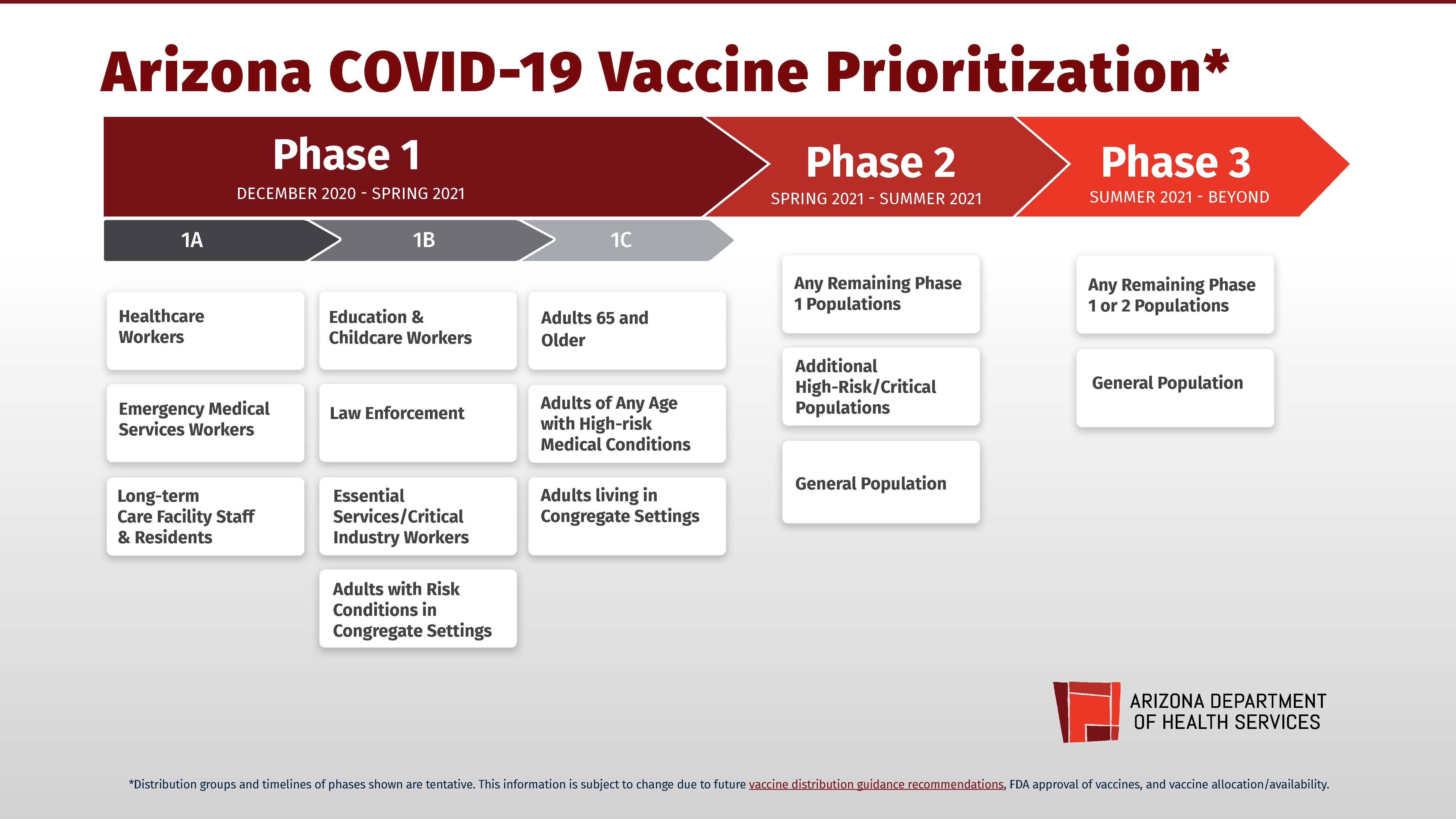
The Shifting Landscape of Vaccine Recommendations: A Closer Look
The recent decision by the vaccine panel has sent ripples through Arizona and beyond. As immunization rates drop across the state, experts and community members alike are grappling with the implications of a revised vaccine schedule. In an atmosphere full of problems and heated debate, the Advisory Committee on Immunization Practices (ACIP) has recently voted on changes that could impact everything from vaccination protocols to insurance coverage. This editorial will take a closer look at the new recommendations while exploring the trickier parts of the legal and public health frameworks driving these decisions.
Understanding the New ACIP Recommendations
The ACIP, newly selected by Health and Human Services Secretary Robert Kennedy Jr., has stirred controversy with its recent decisions. Among its proposals is a move to change the administration of vaccines for measles, mumps, rubella, and chickenpox. Instead of the combined MMRV shot, the panel voted in favor of giving children under 4 years old two separate shots—one for measles, mumps, and rubella and another for varicella (chickenpox). With a 7-3 vote and one abstention, this recommendation has ignited a variety of responses. Some hail the change as a step toward giving parents more choices and reducing rare complications, while others warn that such modifications may create confusing bits within an already tangled system.
Examining the Reasons Behind the Vote
The decision by the ACIP is not made in a vacuum. It comes at a time when state immunization records indicate that MMR rates have been on a decline since 2019. Panel chair Martin Kulldorff contends that the alternative approach is not only pro-children but also pro-science and pro-public health. Supporters of the change suggest that providing separate doses could potentially reduce the small risks associated with early combined vaccinations. They argue that this method enables parents to tailor the timing of vaccine administration based on their child’s developmental stages.
Legal Interpretations and the Impact on Public Health Policy
From a legal perspective, the revised recommendations could have far-reaching implications. State laws that govern which vaccines pharmacists are authorized to administer often reference ACIP guidelines. With new guidance potentially being implemented almost immediately nationwide, medical providers and insurance companies might need to adjust policies to maintain vaccine access and coverage. If these legal stipulations are not met, there is a tangible risk that vaccine rates could drop even further—a prospect that is both nerve-racking and full of problems for communities that already struggle with declining immunization numbers.
Impact on Arizona’s Declining Immunization Rates
Arizona has experienced a downward trend in immunization rates in nearly every county since 2019. The possibility of losing access to vaccines, whether due to regulatory hurdles or insurance complications, is a significant concern for parents and legal advocates alike. This new push for change comes at a time when the state is already grappling with issues that could further erode public health. The current scenario forces stakeholders to find a way to steer through the maze of policy updates while ensuring that essential vaccine coverage remains available for all children.
Legal Ramifications of Shifting Vaccine Protocols
With changes to the vaccine schedule, there are a number of legal twists and turns that must be carefully considered. Among these are:
- Eligibility for free federal vaccine programs
- Insurance coverage requirements for newly administered vaccines
- Compensation mechanisms for any gaps in vaccine availability
- Liability issues arising from any adverse reactions traced back to the new protocols
These points illustrate the need for lawmakers and public health officials to work collaboratively to figure a path that both protects public health and respects individuals’ rights to choice. Legal advisors must poke around these aspects, analyzing the fine points and subtle details of how these vaccine policies are implemented and enforced.
Weighing the Risks: The Hepatitis B Vaccine Debate
One of the more contentious discussions during the ACIP meeting concerned the timing of the hepatitis B vaccine. For more than 30 years, the Centers for Disease Control and Prevention (CDC) has recommended that newborns receive the first of three doses of the hepatitis B vaccine shortly after birth. However, the panel raised the possibility of altering this long-standing recommendation.
Evaluating the Pros and Cons
Advocates for changing the hepatitis B shot schedule argue that delaying the vaccine might offer parents more flexibility and a degree of reassurance. Nonetheless, many experts warn that shifting the shot may expose newborns to greater risks. Consider these points:
| Potential Benefits | Potential Risks |
|---|---|
|
|
Anu Hosangadi, a spokesperson for the Hepatitis B Foundation, cautioned that removing the birth dose could be particularly dangerous, especially in a population where many adults are unaware of their hepatitis B status. Although the proposition might seem appealing on a surface level, the hidden complexities and potential for long-term health repercussions make it an intimidating issue to rework lightly.
Legal Considerations in Changing Vaccine Timing
If the ACIP endorses a revised schedule for the hepatitis B vaccine, the changes could have ripple effects in insurance and federal funding arrangements. Such changes might lead to a legal quagmire where insurance companies are forced to reassess coverage policies, potentially leaving vulnerable families without access to this critical immunization. Legal professionals and policymakers will need to figure a path through these tangled issues, ensuring that any modifications safeguard rather than jeopardize public health.
COVID-19 Booster Recommendations and Their Legal Implications
The ACIP’s agenda is not limited to traditional pediatric vaccines. With the ongoing challenges of the COVID-19 pandemic, the panel is also set to consider new recommendations for COVID-19 boosters. This area of vaccine recommendations is particularly charged, as state and local laws regarding which vaccines pharmacists can administer have already been in flux. The COVID-19 booster adjustments could further complicate the overall landscape, requiring legal clarifications and swift adaptations from healthcare providers.
State-Specific Legal Challenges
Arizona, like many other states, is facing a situation where state law is heavily influenced by ACIP advice. Thus, any modification—whether it pertains to the MMRV vaccine, hepatitis B, or COVID-19 boosters—could affect how these laws are applied at local levels. A recent executive order by Gov. Katie Hobbs was an attempt to expand access to COVID-19 vaccines amid this uncertainty. However, as the new ACIP recommendations near implementation, there is considerable debate about whether these changes will further complicate the task of ensuring consistent vaccine availability. Legal experts fear that any delay or abrupt shift might lead to new complications, leaving providers uncertain about which vaccine schedules are approved for public distribution.
Critical Impacts on Pharmacists and Healthcare Providers
It is essential to recognize that pharmacists and other healthcare providers are often on the frontline of vaccine administration. With new legal guidelines potentially taking effect immediately, these professionals face an off-putting challenge: keeping up with rapidly evolving regulations while trying to maintain clarity for the public. This could lead to situations where parents are caught in the middle of contradictory or outdated protocols. To help manage these changes, it might be useful for healthcare institutions to provide additional training and updated resources, ensuring everyone from pharmacists to frontline medical staff is on the same page.
Public Reaction: Divided Opinions and Calls for Clarity
The recent recommendations have sparked a vibrant debate among various stakeholders. Parents, public health experts, and legal professionals alike are voicing concerns and offering defenses regarding the proposed schedule changes. The panel’s chairman has famously remarked, “You have falsely been called antivaxxers,” in an attempt to defend the change as being rooted in science and public health. However, critics such as ACIP member Dr. Cody Meissner have raised objections about curtailing parental choice, arguing that the option for a single dose should remain available.
Voices from the Community
What is clear is that at the heart of this debate lies a deep-seated desire for transparent communication and clear legal guidelines. As American College of Physicians president Dr. Jason Goldman points out, “This recommendation is going to create more confusion among the public.” Many fear that the aggressive shifts might backfire if not managed carefully, with more parents opting out of vaccines due to uncertainty and misinformation cultivated by a constantly changing framework.
Breaking Down the Divided Opinions
To better understand the various viewpoints, consider the following bullet list detailing the primary arguments:
- Proponents’ View:
- The change is intended to reduce the small but tangible risks associated with early combined vaccines.
- It is a move towards granting parents a broader choice which can be seen as being pro-children and pro-science.
- The revision may allow for a more tailored immunization schedule that accommodates individual health profiles.
- Critics’ Concerns:
- The modifications may lead to a loss of access to vaccines if insurance coverage and federal programs do not promptly adapt.
- There is worry that the confusing bits of the new protocols will aggravate existing problems, leading to even lower immunization rates.
- Legal inconsistencies and ambiguous guidelines could leave healthcare providers and pharmacists in a state of uncertainty.
As these opinions are weighed, one thing is clear: the decision has taken on an almost nerve-racking quality for those who depend on uncompromised vaccine access and clear health guidelines.
Decoding the Legal Maze: Issues for Insurers and Federal Programs
One of the more challenging aspects of this unfolding situation involves the potential legal repercussions connected to insurance coverage and federal vaccine programs. If the ACIP’s recommendations lead to a change in how vaccines are administered, federal and state programs might need to rework their coverage policies swiftly. Otherwise, there is a real danger that access to free or subsidized vaccines may decline, adversely affecting many families who rely on these programs to protect their children’s health.
Key Legal and Regulatory Questions
Several key legal questions will need to be addressed as this situation evolves:
- Will insurance policies be updated quickly enough to cover the revised vaccine schedule?
- How rapidly can federal programs modify their guidelines to incorporate these changes?
- What legal recourse will healthcare providers have if they face liability issues due to delays in implementing the new recommendations?
To further illustrate these issues, the following table outlines potential legal and insurance challenges alongside possible solutions:
| Challenge | Potential Solution |
|---|---|
| Outdated insurance coverage for revised schedules | Legislative updates and rapid policy adjustments by insurers |
| Delayed implementation by federal programs | Emergency guidelines and temporary measures to bridge the gap |
| Liability concerns among healthcare providers | Clear federal and state directives with legal safeguards for medical practitioners |
This kind of structured analysis is essential to ensure that every stakeholder—from parents to policymakers—can find their way through the maze of evolving vaccine policies.
Moving Forward: The Need for Transparent and Collaborative Policy Making
The current state of vaccine recommendations demands not only careful legal analysis but also a collaborative approach among all stakeholders. The situation is replete with confusing bits, tricky parts, and intimidating legal challenges that require input from doctors, legal experts, and community members. At this crossroads, making immediate changes without establishing a clear and transparent plan could lead to long-term setbacks in public health.
A Call to Action for Policymakers
To address these challenges, lawmakers must work closely with public health officials to:
- Ensure that any changes to the vaccine schedule are accompanied by clear legal guidelines and updated insurance policies.
- Develop robust communication channels to educate the public about what the new protocols mean for their children’s health.
- Plan for contingencies that protect vaccine access during periods of transition.
- Hold public consultations to integrate community feedback into policy revisions.
These steps, while seemingly simple, are super important if the nation is to avoid further declines in immunization rates and maintain public trust in the healthcare system. The legal framework surrounding these vaccine recommendations must be robust enough to handle sudden changes while still ensuring that the public is not left in the dark.
Building Trust Through Consistency
The trust of the public is at stake here. Confusing bits in guidelines and frequent changes might give rise to misinformation that could further weaken vaccine uptake. Healthcare professionals, therefore, need to be given the resources and legal backing to manage this transition smoothly. Establishing consistency in vaccine guidance becomes a foundation upon which public trust can be rebuilt.
Balancing Parental Choice with Public Health Mandates
One of the fundamental conflicts in the current debate is the balance between granting parental choice and ensuring robust, public health mandates. Parents want clear options, effective protection for their children, and a voice in the process—while public health officials are tasked with minimizing risks that come from widespread vaccine-preventable diseases.
Finding the Middle Ground
Getting into this discussion, consider the following key areas where balance is necessary:
- Parental Autonomy: Ensuring that parents have the flexibility to choose between separate shots by making available updated information on risks and benefits.
- Public Health Safeguards: Maintaining a vaccination schedule that minimizes risks of outbreaks, particularly in communities where immunization rates are already low.
- Legal and Insurance Consistency: Guaranteeing that alterations in the vaccine schedule are mirrored by corresponding changes in legal guidelines and insurance coverage.
When these aspects are appropriately managed, the new recommendations can benefit both individual families and the broader community. However, failure to strike this balance may lead to a scenario where decisions appear politically driven rather than being grounded in science and a clear risk-benefit analysis.
Legal Precedents and Future Implications
Historically, vaccine mandates and recommendations have followed a predictable path, which has allowed for relatively smooth legal transitions. For instance, before the hepatitis B shot was required at birth, it is estimated that roughly 18,000 children were infected, resulting in long-term health issues such as chronic liver disease and even cancer. As new recommendations come into play, legal experts stress the importance of learning from previous transitions to avoid repeating past mistakes. This includes incorporating timely adjustments to policies and ensuring that legal frameworks are robust enough to manage sudden policy shifts.
Looking at the Bigger Picture: National and Global Perspectives
While the focus of this editorial is primarily on Arizona, it is important to remember that vaccine recommendations have national and even global implications. As different states and countries adjust their vaccination schedules based on evolving research and policy debates, legal challenges and public health concerns will emerge at varying scales. The ripple effect of rapid policy changes could extend far beyond state borders, influencing the way healthcare is delivered internationally.
Comparative Analysis: How Other Regions Are Adapting
In several regions across the world, similar shifts in vaccine protocols have led to notable legal and public health debates. For example:
- Europe: Some European nations have revised their immunization schedules to separate combined vaccines, citing both scientific studies and public preferences. This has sometimes resulted in legal challenges concerning insurance coverage and public health mandates.
- Canada: Canadian provinces have faced similar issues, balancing parental choice with federal regulations. Their approach has often centered on clear communication and phased implementation strategies to minimize confusion.
- Asia: Several Asian countries have taken a more uniform approach, with strict protocols that leave limited room for variation in vaccine administration. This, however, is not without its own challenges as it narrows parental choice and sparks debates on individual rights versus community health obligations.
These examples highlight the fine shades between different approaches to immunization protocols. They offer valuable lessons on how to manage tricky parts when implementing significant public health changes. The key takeaway is that collaboration between legal experts, public health officials, and community stakeholders is essential to ensure that any new policy is both effective and legally sound.
Recommendations for Moving Forward
Given the depth and breadth of the issues discussed, it is clear that the road ahead is replete with hidden complexities that must be addressed thoughtfully. In order to foster a stable and predictable environment for immunization and public health, a few key recommendations are in order:
Streamlining Communication and Policy Updates
A robust communication strategy is super important for smoothing the transition. Officials should consider the following steps:
- Establish regular updates and open forums where healthcare providers, insurers, and community members can raise concerns and seek clarifications.
- Create detailed guides that explain the changes in simple terms, using bullet lists and tables where necessary to highlight the critical differences between the old and new schedules.
- Utilize digital platforms and social media to spread verified information quickly, preventing misinformation from taking root.
Ensuring Legal and Regulatory Alignment
Maintaining legal consistency is key to preserving vaccine access during any policy transition. Lawmakers and regulatory agencies must ensure that:
- Insurance policies are promptly updated to reflect new recommendations, thereby minimizing gaps in coverage.
- Federal vaccine programs are adjusted in a timely manner so that there is no interruption in the availability of free vaccines.
- Clear legal safeguards are implemented to protect healthcare providers from potential liability issues arising from these transitions.
Empowering Parents Through Education and Choice
Finally, parental choice must remain at the heart of any vaccine policy discussion. While the goal is to protect public health, it is crucial to remember that parents need the information and support required to make informed decisions. Measures could include:
- Providing detailed, accessible literature that outlines the benefits and potential risks of each vaccine option.
- Offering decision-making aids that help parents understand how different vaccine schedules can impact their children’s health over time.
- Creating community outreach programs that facilitate discussions between medical experts and families in local communities, thereby easing concerns and reducing uncertainties.
These measures could help bridge the gap between the legal, medical, and personal dimensions of vaccine policymaking, ensuring that the delicate balance between parental choice and public health is maintained.
Conclusion: A Time for Careful Reflection and Cohesive Action
As the vaccine panel’s recommendations continue to evolve, it is imperative that stakeholders across the board—policymakers, healthcare providers, parents, and legal experts—work together to find a way through the twists and turns of this complex issue. With immunization rates in Arizona already showing a downward trend, the need to figure a path that preserves vaccine access while accommodating flexible choices for parents is more pressing than ever.
This situation, replete with confusing bits, tangled issues, and nerve-racking legal challenges, calls for thoughtful, coordinated, and transparent decision-making. Whether it’s separating the MMRV shot, revisiting the hepatitis B vaccine schedule, or updating COVID-19 booster protocols, every decision must be weighed carefully with the community’s health securely in mind.
In the coming days, as the advisory panel finalizes its decisions, it will be essential for all involved to remain vigilant, ensuring that any new policies are legally sound and clearly communicated to the public. The long-term success of such initiatives rests on balancing legal mandates with the everyday realities faced by families and healthcare providers alike.
Now more than ever, it is crucial for policymakers to take the time to sort out the nitty-gritty of these recommendations. With clear, accessible information and a robust legal framework in place, we can better handle the rapid changes occurring in vaccine policies and, ultimately, protect the health of our communities.
In the end, the debate surrounding these changes isn’t merely about vaccines—it is a reflection of our broader struggle to manage tricky parts between personal choice, legal imperatives, and public health needs. It is a call for coordinated action, one that demands careful reflection on the past and a clear vision for the future.
By collaborating openly and acting decisively, stakeholders at every level can help steer through the overwhelming challenges ahead. With a solid legal foundation and unwavering commitment to public welfare, there is hope that these new policies will pave the way for a safer, healthier future for all.
Originally Post From https://www.azfamily.com/2025/09/19/vaccine-panels-decision-raises-alarms-arizona-immunization-rates-drop/
Read more about this topic at
RFK Jr.'s vaccine panel makes a controversial change to ...
CDC vaccine panel adds new rules for getting the COVID ...


No comments:
Post a Comment