


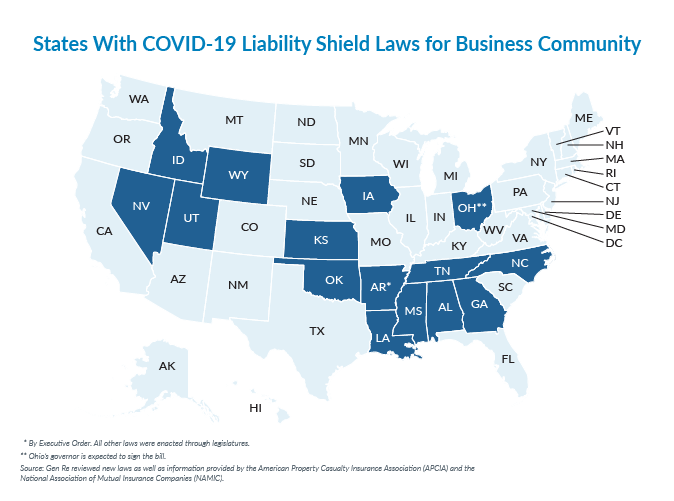
A Turning Point in COVID-19 Medical Liability Law
The Arizona Supreme Court’s recent ruling on immunizing doctors and hospitals against negligence claims during the COVID outbreak marks a significant turning point in the state’s legal landscape. In a split decision, state justices eliminated a 2021 statute that was initially designed to provide liability protection for medical professionals during a time when a novel virus with no known treatment was wreaking havoc. This decision not only raises important questions about the balance between public health priorities and individual rights but also forces us to examine how state law can sometimes run headlong into the constitutional guarantees long regarded as immutable.
At its core, the ruling challenges the idea that lawmakers can simply sidestep the “fine points” of constitutional rights to protect public health. By voiding the law, the majority opinion—spearheaded by Justice James Beene—asserted that the prohibition against abrogating the right of any injured party to seek damages is as “unequivocal” as it comes in the Arizona Constitution. Yet this legal debate is mired in the tricky parts of public policy, patient safety, and the pressure to keep health providers operational during emergencies.
When Public Safety Meets Constitutional Guarantees
Proponents of the 2021 statute argued that protecting medical professionals was essential to encourage healthcare providers to treat COVID patients without fear of lawsuits. They emphasized that an emergency of this magnitude required urgent measures—even if those measures involved making it nearly impossible for individuals to challenge ordinary negligence. However, the statute’s retroactive application and its imposition of a heightened standard of proof (demanding “clear and convincing evidence”) struck many as veering too far from the traditional legal recourse available to injured patients.
Justice Beene’s majority opinion took issue with the elimination of the standard right to sue for ordinary negligence. According to his analysis, this legal maneuver created “insurmountable hurdles” for patients who suffered injuries under standard medical mishaps, even if those injuries occurred during an unprecedented emergency. In so doing, the ruling raises important questions: Should the state’s duty to protect public health allow it to override the constitutional promise that every citizen retains the inherent right to file a lawsuit when wronged?
Examining the Impact on Medical Malpractice Claims
This case, which stems from a suit brought against the Mayo Clinic in Phoenix by a patient with a long history of complex medical issues, illustrates how the controversial law affected malpractice claims. Patient Robin Roebuck, who had previously undergone multiple transplants, received care during the early days of the pandemic and suffered lasting injuries after an allegedly negligent arterial blood gas test. Roebuck’s case was initially dismissed under the 2021 law, which required a plaintiff to prove gross negligence to even be heard in court—a significantly tougher standard than the “preponderance of the evidence” normally required.
By dismantling that law, the court has effectively reopened the gateway for plaintiffs to now seek redress for injuries that may have otherwise been foreclosed. This development is a double-edged sword. On one hand, it reaffirms the constitutional right to a legal remedy for those injured by ordinary negligence. On the other, it raises concerns among healthcare professionals and administrators about the potential for a surge in malpractice lawsuits, which could have influences on medical decision-making during future emergencies.
Public Health Versus Legal Recourse: A Delicate Balance
The dissenting opinion, notably voiced by Justice Clint Bolick, argued strongly that the state’s police powers should allow for extraordinary measures during public health crises. He maintained that the extreme and unprecedented nature of the COVID-19 pandemic justified legislative steps that made it nearly impossible for malpractice claims to succeed, thus enabling medical professionals to focus fully on patient care instead of worrying about litigation. According to Bolick, the state’s ability to “take the wheel” in protecting public health is a critical function that sometimes requires bending the regular rules.
However, this line of argument is laden with its own tangled issues. By stripping away even the possibility of a lawsuit for ordinary negligence, the statute not only undermined trust in public institutions but also potentially set a precedent for undermining other laws aimed at protecting individuals who engage in socially beneficial activities. For example, many laws shield emergency responders and volunteer health professionals working in low-resource settings, where every action, however well-intentioned, could otherwise provoke legal consequences if something went wrong.
Consequences for Patients and Healthcare Providers
The court’s decision, though limited in its direct application—covering only negligence claims arising during a declared state of emergency—opens the door to potentially wider implications in the realm of healthcare litigation. Medical providers now face a legal landscape where they must balance between striving to provide essential care in emergencies and remaining vigilant against the risk of malpractice claims arising later. The ruling essentially acts as a reminder that while protecting public health is super important, it must not come at the cost of erasing the legal rights of patients who are harmed by substandard care.
This situation is a classic example of the little details in legal frameworks that can have far-reaching effects. Stakeholders on both sides of the issue have to figure a path through these competing interests:
- Patients’ Rights Advocates: They argue that every individual should have access to full legal recourse when injured due to medical negligence, ensuring accountability and fairness in the healthcare system.
- Healthcare Providers: They contend that in times of crisis, such as the early days of the COVID pandemic, the conventional rules of liability might need to be temporarily adjusted to encourage professionals to treat patients without the ever-present fear of crippling lawsuits.
While the ruling has been welcomed by many who see it as a reaffirmation of individual rights, it simultaneously places a burden on medical institutions that are already working under overwhelming and often nerve-racking conditions. Questions remain about how healthcare providers can continue to deliver critical services while also safeguarding themselves against future litigation.
Reflecting on the Historical Context of Emergency Legislation
Historically, emergency powers have been a contentious subject. Governments often resort to sweeping laws in times of crisis, laws that are typically intended to be temporary in nature. The 2021 statute was one such example: a measure adopted in a moment of intense public pressure and uncertainty. Politicians, influenced by a mix of lobbying pressure and the urgent need to protect the healthcare workforce, approved legislation that many legal experts warned might not stand up in court.
The court’s decision to void the measure, therefore, can be seen as a corrective action, one that reinforces established constitutional norms over emergency expedients. The ruling emphasizes that even under the pressing twists and turns of a public health crisis, legal rights—especially those enshrined in the state constitution—cannot simply be set aside without thorough deliberation.
This perspective also invites us to get into a deeper discussion about the nature of emergency legislation and its long-standing interaction with constitutional principles. Is it acceptable for the state to take extraordinary measures that can alter the long-held balance between individual rights and collective safety, albeit temporarily? Or should the rights of the individual be preserved regardless of the circumstances?
Long-Term Implications for Legislation and Policy
Looking forward, the implications of this ruling are significant for both policymakers and legal practitioners. Legislators must now grapple with the reality that attempts to immunize certain classes of defendants—even in the context of a declared emergency—could be met with stern constitutional scrutiny. This decision should serve as a super important warning: any law that seeks to eliminate the legal recourse for an entire group of injured parties will almost certainly face challenges.
Beyond the immediate sphere of medical malpractice law, several other areas could be impacted by similar laws designed for emergency or extraordinary circumstances. In a legal brief submitted during the court’s deliberations, concerns were raised that the decision might inadvertently call into question other statutory protections. Consider the following examples:
| Scenario | Legal Protection at Stake | Potential Impact |
|---|---|---|
| Emergency responders at accident scenes | Shield from ordinary negligence lawsuits | Increased litigation risk if accidents are deemed ordinary negligence |
| Volunteers at non-profit clinics | Immunity under volunteer service statutes | Possibility of lawsuits if standard legal recourse is curtailed |
| Good Samaritans in crisis situations | Protection under donation and voluntary aid laws | Potential chilling effect on public willingness to help |
The table above provides just a few examples of how pivotal these legal protections are, and how a shift in judicial interpretation can have consequences that ripple far beyond any single case or statute.
Legal Perspectives and the Role of Precedent
From a legal standpoint, the decision is a reaffirmation of the long-standing principle that constitutional rights should not be eroded because of public pressure or emergency exigencies. When Justice Beene pointed to the “unequivocal” language in the state constitution, he was reminding us that some guarantees are meant to be enduring, even if doing so might occasionally complicate the legislative process during times of crisis.
This position underscores several important points:
- Constitutional Rigidity: The insistence on preserving the right to sue, even in turbulent times, reflects an inherent belief in the long-term stability of legal norms. It suggests that courts have a duty to safeguard these rights, even when popular sentiment might lean towards temporary exceptions.
- Legislative Accountability: Lawmakers must be mindful that once a law is passed, it can always be subject to judicial review. This ruling sets a precedent that should encourage future legislation to be more carefully crafted, ensuring that emergency measures do not inadvertently extinguish key rights.
- Balance and Fairness: At its heart, the ruling is about finding a fair balance between the need to protect public health and the protection of individual rights. By striking down the immunity law, the court reaffirmed that even well-intentioned legislative efforts must pass the constitutional litmus test.
Legal scholars predict that this decision could act as a guiding light for future public health legislation nationwide. It sends a clear message: while it is understandable that lawmakers face nerve-racking challenges during crises, any action that strips away the legal options of ordinary citizens will be met with robust judicial resistance.
Contesting the “Back of the Hand” Argument
Ann-Marie Alameddin, president and CEO of the Arizona Hospital and Healthcare Association, famously described the ruling as giving medical providers “the back of the hand.” This colorful expression encapsulates the frustration felt by many in the healthcare community. For those on the front lines of a medical crisis, the initial law was seen as a necessary protection—a way to allow them to focus on treating patients without the impending fear of litigation clouding their judgment.
Critics, however, argue that such sweeping legal immunity comes at too high a price. The elimination of the right to sue for ordinary negligence is no small matter. It represents a fundamental shift in how society assigns responsibility and how justice is ultimately served when errors occur.
The debate over this ruling can be summarized in a few key points:
- For Immunity Advocates:
- Provides a safe harbor for healthcare professionals during crises
- Encourages decisive action in uncertain, rapidly changing conditions
- Reduces the risk of excessive litigation that could hinder essential care
- For Rights Advocates:
- Ensures that patients retain the right to seek justice for injuries
- Prevents a dangerous precedent of abrogating long-held legal rights
- Maintains an important check on the power of healthcare institutions
This tug-of-war between protecting healthcare providers and preserving patients’ rights is reminiscent of many such disputes in our legal system—a place where the twists and turns are often as tedious as they are critical.
The Broader Social and Economic Implications
The fallout from the court’s ruling reaches far beyond the confines of the courtroom. It has the potential to reshape the landscape of healthcare delivery in Arizona and possibly in other states that might look to this decision when crafting their own emergency legislation. Critics of the immunity statute warned from the start that if upheld, it could lead to a skewed sense of accountability, effectively leaving injured patients without any meaningful remedy for ordinary negligence.
On the economic front, the ruling may also have implications for the cost of healthcare. Insurance rates, malpractice premiums, and even the willingness of medical professionals to work in high-risk environments could all be affected. Here are some of the possible economic impacts:
- Increased Malpractice Litigation: With the immunity statute struck down, hospitals and providers might face a sudden surge in lawsuits, which could in turn lead to higher malpractice insurance costs.
- Impact on Healthcare Costs: The fear of litigation might drive providers to practice defensive medicine, ordering more tests and procedures than necessary to safeguard against potential lawsuits. This could contribute to higher overall healthcare costs.
- Resource Allocation Challenges: Hospitals might need to allocate additional resources to legal teams and risk management services, potentially diverting funds from patient care and infrastructure investments.
Such economic repercussions underscore the complexities of balancing public policy with individual rights. While the initial intent of the law was to protect healthcare providers during one of the most overwhelming periods in recent memory, its long-term impact could inadvertently affect the very communities it was designed to help.
Reassessing Emergency Legal Measures in Uncertain Times
The decision to invalidate a law that sought to shield medical professionals from standard negligence claims forces us to reexamine how we handle emergency legal measures. When the COVID-19 pandemic unfolded, the legislative response was understandably driven by a sense of urgency and the need to stabilize a stressed healthcare system. Yet, as time has shown, even measures enacted under extreme circumstances must be carefully weighed against constitutional guarantees.
Lawmakers must now consider several key questions:
- How can emergency legislation be crafted to protect public health without completely sidestepping the right to sue?
- What are the acceptable thresholds for raising the burden of proof in cases of medical negligence?
- In future emergencies, should there be temporary legal frameworks that expire automatically once normal conditions resume?
These questions highlight the need for a balanced approach—one that takes into account the nerve-racking challenges posed by real-time crises while ensuring that the foundational rights of citizens remain intact.
Learning from the Past to Shape Future Policy
Historical precedence offers valuable lessons for crafting future policy. Many nations have grappled with the need to modify legal standards during emergencies, whether during wartime or natural disasters. Lessons learned from these experiences can help shape legislative responses that are both effective and respectful of established legal rights.
For instance, rather than adopting sweeping laws that dramatically change the legal landscape, legislators could consider more targeted measures. These might include:
- Temporary Legal Protections: Measures that are automatically repealed or reviewed once the emergency ends, ensuring that any long-term effect on individuals’ rights is minimized.
- Enhanced Reporting and Oversight: Establishing independent bodies to monitor the use of emergency powers and assess their impact on both public health and legal rights.
- Hybrid Legal Frameworks: Combining elements of liability protection with robust compensation schemes for patients who suffer from ordinary negligence. This could help maintain accountability while ensuring that healthcare providers feel secure in their roles.
These options could potentially provide a middle ground—one that allows for vigorous public health responses without completely undermining the legal recourse available to injured parties. By taking a closer look at the fine shades and subtle distinctions among these options, policymakers might craft a model that other states could emulate when faced with future emergencies.
Looking Ahead: The Role of Judicial Oversight
In the end, judicial oversight plays a super important role in ensuring that even in times of crisis, government actions remain tethered to constitutional principles. The Arizona Supreme Court’s decision is a reminder that the role of the judiciary is not simply to rubber-stamp legislative action but to act as a check when a law threatens to upset the balance of individual rights and governmental power.
This ruling reiterates that while policy measures during emergencies must be both responsive and flexible, they should never come at the expense of the critical rights enshrined in our legal system. In essence, the court has taken a stand that the state must always be cautious when it attempts to take the wheel in areas where individual legal recourse is at stake.
Looking ahead, judges and lawmakers alike will need to work together to figure a path through these challenging waters. Future emergency measures must be designed with an eye for both protecting public health and preserving the freedom to seek legal redress when injuries occur. As this case illustrates, the balance is delicate and the stakes are incredibly high.
Concluding Thoughts: A Call for Balanced Policy Approaches
The debate over the 2021 COVID liability law in Arizona underscores a perennial tension in public policy: safeguarding community well-being while upholding the rights of individuals. Although this decision may open the door for more lawsuits related to alleged medical negligence during the pandemic, it also reinforces a foundational principle of our legal system. It is a clear acknowledgment that, even in the midst of a crisis, the right of any injured party to pursue legal remedies must remain intact.
In our current climate—where public health emergencies seem to crop up with frightening regularity—it is critical that lawmakers, healthcare professionals, and legal experts work together to create policies that are both practically effective and legally sound. Such policies must not only address the overwhelming demands of crisis management but must also remain mindful of the tangled issues that surround our cherished constitutional rights.
As we move forward, it may behoove us to consider a more nuanced approach to emergency legislation. One that includes:
- A clear sunset clause or review mechanism for any emergency statute
- Transparent communication between lawmakers, the judiciary, and the public regarding the scope and limits of such laws
- A commitment to preserving the ability of ordinary citizens to seek redress for harm caused by negligence, regardless of the context in which it occurs
Only through a collaborative approach—one that respects both the needs of healthcare providers and the rights of patients—can we ensure that our legal system remains both flexible and fair during times of crisis.
In a broader sense, this decision by the Arizona Supreme Court serves as a microcosm of the challenges faced by modern governments across the nation. In trying to manage catastrophic events, there is no shortage of tempting shortcuts and temporary fixes. But when those shortcuts come at the expense of the very rights that underpin our democracy, the consequences can echo for generations.
It remains to be seen how this ruling will influence future legislation and judicial decisions. However, what is clear is that the delicate balance between protecting public health and preserving individual rights must be maintained. As this case demonstrates, even in the midst of twisted, complicated pieces of legislative action, some rights are simply non-negotiable.
Final Reflections: The Road to Equitable Emergency Legislation
The legal saga surrounding the COVID-19 immunity statute is more than just a conflict between abstract legal theories—it is a story of people, of both those on the front lines of healthcare and those who depend on the legal system to hold erring parties responsible for harm. For every healthcare provider striving to save lives during one of the most overwhelming periods in our recent history, there are patients and families whose lives have been deeply affected by allegedly negligent actions.
This ruling offers a moment of pause, an opportunity to reexamine how emergency laws are formulated and implemented. It is an occasion to take a closer look at the small distinctions and hidden complexities that make up our legal framework—a reminder that the decisions made under emergency conditions today can profoundly shape the rights and responsibilities of tomorrow.
As we continue to reflect on the past and hope to build a more equitable system for the future, this decision should serve as a call to action for lawmakers on every level of government. It is imperative that future policies strike a balance that not only enables swift and decisive action during crises but also ensures that those who suffer from negligence have a clear and accessible path to justice.
In the final analysis, what this case truly reminds us of is that law is not just a set of abstract rules but a living framework that must adapt responsibly to the conditions of modern society—without losing sight of the fundamental rights that safeguard all of us.
As Arizona, and indeed the nation, looks to the future, it is our hope that the lessons learned from this episode will inspire a more thoughtful, balanced approach to emergency legislation. One that recognizes the importance of decisive action in times of crisis, yet never forgets the must-have rights of individuals to be heard, to seek redress, and to feel protected under the law.
Originally Post From https://www.yourvalley.net/phoenix-independent/stories/protecting-doctors-hospitals-from-negligence-claims-during-covid-was-illegal-arizona-supreme,615004
Read more about this topic at
Silvio Berlusconi defiant as court throws out immunity law
Berlusconi immunity law 'overturned'


No comments:
Post a Comment