


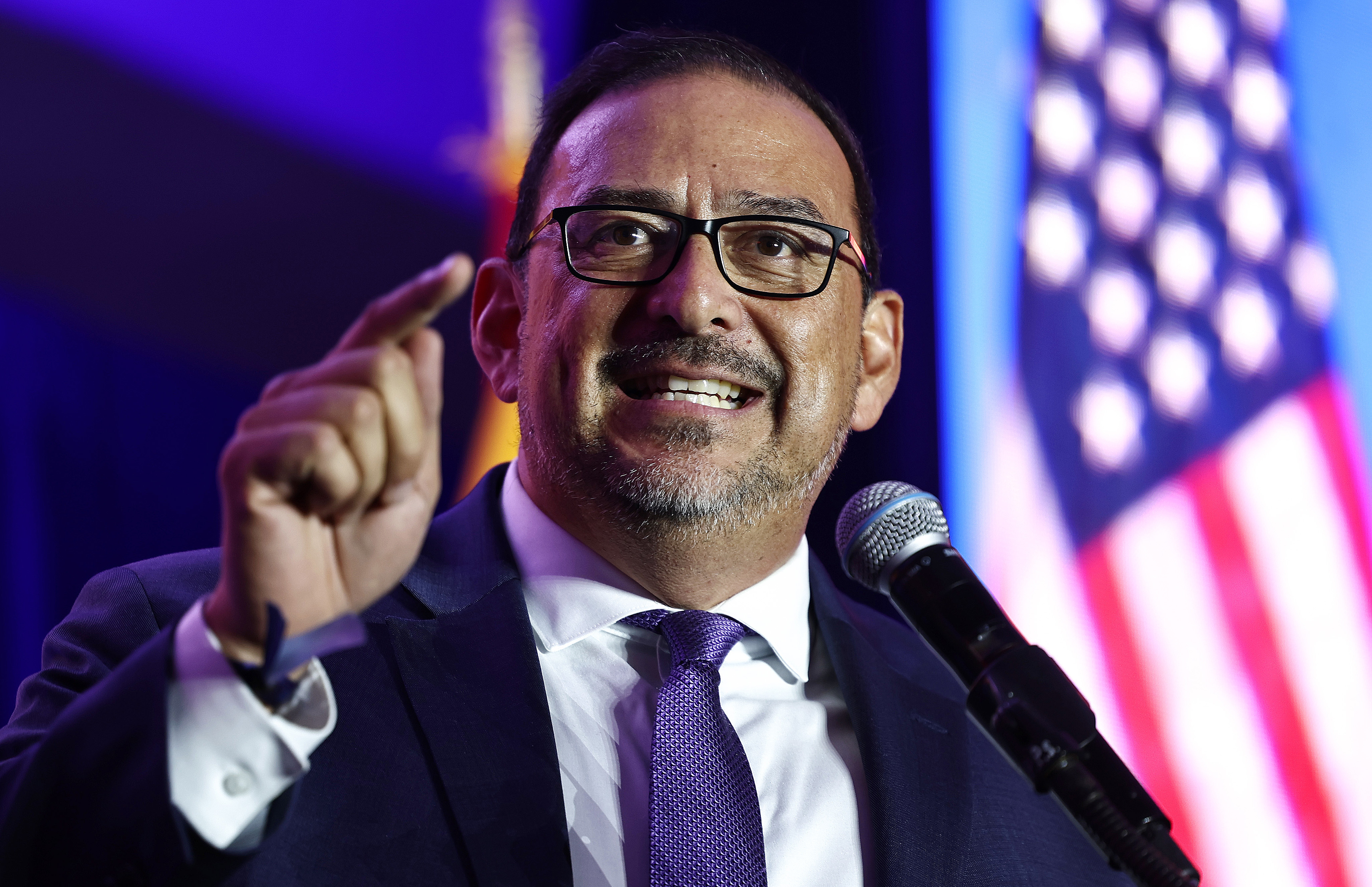
Arizona Election Manual Revised: Balancing Court Orders With Voter Protection
Arizona’s latest draft of its Election Procedures Manual marks a turning point not only for the state’s election administration but also for the broader political debate on what constitutes voter intimidation and how election certification should be managed. Secretary of State Adrian Fontes, responding to successful court challenges brought by Republicans, has removed certain examples and provisions that had raised eyebrows in its previous edition. As an observer on the legal front, it is interesting to see how these changes represent an ongoing effort to find your way through the tangled issues of election law while trying to meet both legal mandates and the public’s expectations.
In this op-ed, we will dig into the revisions, discuss how they might impact voters and administrators, and examine the subtle differences between safeguarding the First Amendment rights of demonstrators and ensuring a smooth, efficient election process. We will also inspect the modifications surrounding voter intimidation and certification procedures, as well as best practices that have emerged in response to past election errors.
Revisiting the Election Manual: A Response to Court Decisions and Past Errors
The updated version of Arizona’s Election Procedures Manual for the 2026 midterm elections is a direct consequence of court orders that ruled against previous provisions. The revised rulebook deletes specific examples of what constitutes illegal voter intimidation and removes language that allowed the secretary of state to finalize election results even if a county’s results were missing.
Secretary Fontes, a Democrat, maintains that this new approach continues to protect both voters and the integrity of elections. “We’re trying to walk the line between some of the crazy rulings that we’ve seen coming out of the court that seem to protect the First Amendment rights of people who would scream at voters in line, and those First Amendment rights of voters to peaceably assemble,” Fontes explained. While the phrase “walk the line” might suggest a balance, it is clear that finding your way through these complicated pieces of law requires a willingness to adjust and adapt to rulings from higher courts.
The revision comes in the wake of multiple lawsuits by Republicans who argued that the previous manual overstepped the statutory authority by including provisions that were too broad and potentially inconsistent with state law. As we look at the new version, one cannot help but notice how the issue is wrapped in both legal and political complexity—an arena that is as nerve-racking as it is critical in today’s charged political environment.
Understanding the Shifts in Voter Intimidation Provisions
The voter intimidation section of the manual was among the most contested by Republicans in 2023. The old manual contained examples that stipulated the use of “threatening, insulting or offensive language” to a voter or poll worker as unlawful behavior. In the updated version, the terminology has shifted significantly: the words “insulting” and “offensive” have been removed, and the language no longer attempts to control activities outside the previously established 75-foot radius around a polling site.
These changes are far from trivial. They reflect a nuanced shift in the administration’s approach toward delineating acceptable behavior during elections. The removal of particular descriptors could be seen as an effort to avoid potential conflicts with the First Amendment, a constitutional right that, while essential, can sometimes be tangled with the responsibility to ensure a fair electoral process.
Critics argue that this softening might lead to confusion about what exactly constitutes voter intimidation. On the other hand, supporters contend that by adhering more closely to court rulings, the manual prevents possible overreach by bureaucratic authority—a response meant to eliminate some of the trickier parts that might otherwise create legal ambiguities.
Redefining the Certification Process: A Closer Look at the Changes
The second significant amendment in the manual concerns the certification process. The 2023 version allowed the secretary of state to certify election results even if a particular county missed the state deadline. This mechanism—originally designed to keep elections moving—was criticized for potentially undermining county autonomy or bypassing essential due diligence.
In the current draft, Fontes reframed the process. Instead of unilaterally finalizing results, the updated manual gives the secretary of state the authority to pursue all legal means, including obtaining court orders, to compel counties to certify their results. This change signifies a more measured and lawful approach to certification, ensuring that the process adheres strictly to court orders and state laws.
This shift underscores a broader legal reality: election administrators must carefully steer through the fine points of legal procedure while preserving voter interests. It is one thing to have a manual that speeds up certification, but another entirely to have a system that respects the due process of every county involved.
Insights on Public Comment: Extending the Engagement Period
Another notable adjustment is the extension of the public comment period on the manual from 15 days to 30 days. This change, prompted by a state Court of Appeals ruling that deemed the previous window too short, reflects a commitment to transparency and public engagement.
An extended comment period can help ensure that the public has ample opportunity to provide feedback. It demonstrates that the administration is not only following legal requirements but also making the process more inclusive. Given that voters and stakeholders are often overwhelmed by the sheer amount of detailed documentation in election law, a longer window for comments offers a vital opportunity to catch any confusing bits before they become entrenched practices.
While Fontes mentioned that his office’s legal opinion originally did not consider a 30-day period necessary, the decision to extend it acknowledges the public’s desire for more time to poke around complex and sometimes intimidating legal pieces. In an age where transparency is key, this adjustment is both practical and politically significant.
Enhancing Election Administration Through Best Practices
Beyond the adjustments mandated by court decisions, the revised manual incorporates a series of best practices aimed at preventing problems that have plagued past elections. These improvements are not meant to single out any particular county but to address recurring challenges — such as ballot printing errors and the need for better poll worker training.
Among the new guidelines, several stand out:
- Ballot Readiness: The manual now emphasizes the need to have a sufficient number of preprinted ballots. This change comes in response to incidents like those in Pinal County during its 2022 primary election.
- Poll Worker Training: There is a definitive requirement for counties to ensure that their poll workers are well-versed in managing electronic poll books and ballot printers. This is particularly important after issues were observed in Maricopa and Apache Counties involving ballot printing errors.
- Language Translations: A reminder is issued for counties to translate ballots and essential voter materials appropriately. In light of past complaints from Navajo Nation advocates regarding improper translations, this measure underscores a commitment to inclusive voter participation.
These improvements are a welcome adjustment in an election landscape where minor glitches can lead to major disruptions. By taking proactive measures, Arizona’s election administration is setting a precedence that other states might soon emulate. Stakeholders now have clearer guidance on what should be considered best practices in a climate that is as tricky as it is politically charged.
Comparing Past and Present: A Tabular Overview of Key Changes
| Aspect | 2023 Manual | 2026 Manual (Draft) |
|---|---|---|
| Voter Intimidation Examples | Included specific examples such as “threatening, insulting or offensive language” | Removed “insulting” and “offensive” descriptors; focuses solely on legal definitions based on federal and state law |
| Certification Process | Allowed finalizing election results even if a county did not certify | Emphasizes using all legal means, including court orders, to enforce county certification |
| Public Comment Period | 15 days | Extended to 30 days following a court ruling |
| Best Practices | General guidelines without specific training or translation protocols | Detailed instructions on ballot printing, poll worker training, and translation requirements |
This table provides a clear side-by-side comparison that encapsulates the subtle details replaced or reworked in the new manual. Observing these fine shades of difference highlights the deliberate effort by Fontes and his office to abide by legal mandates while keeping election logistics robust and resilient.
Political Implications: Reaction From Lawmakers and Political Leaders
As expected, the changes in the manual have sparked a reaction among Republican lawmakers. Senate President Warren Petersen, for example, has indicated that his colleagues will scrutinize the draft closely. His statement underlined a firm commitment to contesting any attempt, as he perceives it, to stretch or rewrite the law through bureaucratic overreach.
This political pushback is important for understanding how partisan perspectives shape interpretations of election rules. While Fontes’s adjustments are legally driven, they also carry symbolic weight in the broader debate over election integrity. Republicans view some of these changes as victories for electoral discipline and legal strictness, while critics argue that they might inadvertently dilute measures intended to secure voter protection.
From a legal standpoint, these political disputes underscore the nerve-racking environment in which election rules are crafted today. Each change in procedure, each deletion or addition of a phrase, is loaded with implications not only for legal compliance but also for public trust in the democratic process. Stakeholders on all sides are keenly aware that missteps in the legal fine points can have repercussions that ripple far beyond the ballot box.
Legal Compliance versus Election Advocacy: The Tension in Rulemaking
At its core, the revision of Arizona’s election manual represents a classic example of balancing legal compliance with the need to advocate for robust electoral participation. On one hand, the administration must adhere to court decisions and ensure that every protocol is in line with established law. On the other hand, there is an evergreen responsibility to protect voters from intimidatory tactics and administrative failures that have plagued previous elections.
This balancing act is intricate and requires a careful consideration of both the letter and spirit of the law. The updated manual appears to be designed with both aims in mind. While it removes language that was previously challenged in court, it still presents a framework that, if fully implemented, could help streamline elections and improve voter access. At the same time, it has to remain vigilant against any clauses that might give rise to fears of bureaucratic overreach or, conversely, create loopholes that allow unscrupulous practices at polling locations.
As we work through these critical changes, it is important to acknowledge that every legal revision is subject to further scrutiny. The ongoing legal challenges and pending court rulings illustrate that the state’s efforts to manage its elections are continuously evolving. This is not a static situation but rather a dynamic process that will likely undergo further adjustments as both state and federal courts refine their interpretations of election law.
Future Prospects: How These Changes May Influence Interim Elections
Looking ahead to the 2026 midterm elections, the revised manual may prove to be a double-edged sword. On one hand, by aligning the manual more closely with judicial expectations and incorporating best practices learned from previous election errors, Arizona is positioning itself at the forefront of proactive election management. Better training for poll workers, clear guidelines on ballot printing, and enforceable certification protocols might help reduce many of the confusing bits that have caused concern in the past.
On the other hand, the removal of certain descriptors related to voter intimidation could invite criticism and potential litigation from those who believe that voter protection standards are being watered down. For election law professionals and political analysts alike, the outcome will serve as a critical case study on the interplay between legal mandates and election administration. Will these changes successfully address the challenges of managing elections in a politically tense environment, or will they lead to further contention in the courts?
Several possible scenarios could unfold:
- Smoother Certification Processes: Counties may comply more readily with state directives if the certification process, backed by clear legal recourse, is effectively enforced.
- Reduced Litigation: By removing problematic language, the state might see fewer calls to the courts regarding overreach, which would allow election officials to focus on executing their responsibilities.
- Heightened Party Disputes: Nonetheless, partisan divisions may well persist, with Republicans continuing to scrutinize any perceived dilution of voter protection measures.
The political and legal landscape in Arizona—and indeed, across the country—remains dynamic. As elections become ever more central to public policy debates, every minor change in procedure or regulatory guidance must be understood within a broader context of political accountability, legal precedents, and the need to make your way safely through both administrative and legal hurdles.
Lessons for Other States: Can Arizona Set a Precedent?
Arizona’s revision of its election manual provides a noteworthy example for other states grappling with similar legal and administrative challenges. By integrating judicial feedback and learning from past instances of administrative failure, Arizona is stepping into a role that may well set a benchmark for election law reform nationwide.
Other states that have struggled with the fine points of voter intimidation and election certification may look to Arizona’s new approach as a blueprint. Specifically, the following key lessons emerge:
- Adaptability: Election rules must be flexible enough to accommodate changes stemming from court rulings while still safeguarding voter rights. Arizona’s willingness to revise its manual reflects an essential quality in modern governance.
- Transparency: Extending the public comment period, even if legally not required, reinforces the administration’s commitment to engaging voters in decision-making processes. Transparent procedures can help soften the nerve-racking nature of legal disputes and build public trust.
- Best Practices: Proactively addressing problems observed in past elections—such as ballot printing shortages and the need for training—ensures that election officials are better prepared to handle issues before they escalate into full-blown crises.
Additionally, Arizona’s approach to the certification process reinforces the idea that legal enforcement should be seen as a tool for ensuring compliance, rather than as an instrument for unilateral administrative action. By choosing to seek court orders when counties fall short of certification deadlines, the administration underscores that every level of government must adhere to the law without overstepping its bounds.
Through these measures, Arizona is not only trying to iron out the messy bits of its own election process but is also offering a roadmap for other states. The experience of working through these twists and turns of election law might inspire reforms elsewhere, encouraging election administrators to figure a path through their own complex and often intimidating rules.
Public Trust and Voter Confidence in the Wake of Manual Revisions
An often-overlooked aspect of any election reform is its impact on public trust. The revisions in Arizona’s election manual come at a time when public confidence in electoral processes is paramount. Voters must believe that the process is fair, transparent, and resistant to manipulation by any political faction.
By extending the period for public comments and incorporating clear guidelines on issues like poll worker training and ballot printing, the state seeks to boost confidence among its citizens. These measures are designed to mitigate the kind of off-putting administrative glitches that have previously undermined voter trust. Even small errors can be intimidating to voters and can easily be misconstrued as signs of deeper systemic problems.
Moreover, the removal of disputed language regarding voter intimidation—though it may raise concerns about vagueness—also serves to align the manual with a more legally defensible standard. This line of reasoning, it is hoped, will lead to fewer legal contests and, ultimately, a more stable electoral framework.
Restoring public trust is a process that involves making your way through layers of legal and administrative details. When voters see that their voices can be heard through an extended comment period and that election rules are closely contested in the courts, it helps build the picture of an accountable and transparent system. Thus, every deliberate change in the manual is as much about securing legal compliance as it is about reinforcing the democratic process in the eyes of the public.
Impact on Minority and Non-English Speaking Voters
One of the welcome adjustments in the revised manual is the explicit inclusion of provisions aimed at protecting the rights of voters who may not speak English fluently, as well as incarcerated residents. In a state as diverse as Arizona, addressing the specific needs of these communities is not just a matter of legal compliance; it is a key component of ensuring that every vote counts.
The new guidelines stress that ballots and other voter materials must be translated in accordance with federal law. This move is particularly significant given past complaints from Navajo Nation advocates, whose concerns about insufficient translations had drawn attention in previous elections. By mandating translations when necessary, the manual attempts to remove one more of those nerve-racking barriers that might otherwise discourage voter participation among minority groups.
The enhanced focus on translation and voter inclusion not only satisfies legal requirements but also represents a practical step toward more inclusive election administration. It is an initiative that other states could emulate as they work through the delicate twists and turns of ensuring equal access to voting for all citizens, regardless of language or status.
Administrative Preparedness and Training: Learning From Past Mistakes
An effective election is built on the reliability of its administration, and the updated manual clearly reflects lessons learned from previous missteps. Training poll workers on the proper use of electronic poll books and ensuring reliable ballot printing systems have become critical components of this revised framework.
For instance, the issues experienced by Maricopa and Apache Counties in recent elections taught administrators that even seemingly minor technical glitches can have far-reaching consequences. The new guidelines now require counties to implement rigorous training programs and to verify that their equipment—particularly ballot printers and electronic poll systems—is functioning optimally before election day.
These adjustments are essential not just for avoiding the overwhelming administrative chaos that might result from technical failures, but also for strengthening the credibility of the election process overall. By embedding these best practices into the manual, Arizona’s election officials are offering a roadmap to manage your way around the complicated pieces of modern election management. It is a reminder that sometimes the smallest details can have a profound impact on the larger democratic process.
Challenges Remaining and Potential Legal Disputes
Despite the extensive changes noted in the revised manual, some legal experts caution that not all issues have been fully resolved. Several challenges remain pending in court, and it is possible that further adjustments will be necessary before the manual can be deemed fully compliant with all state and federal legal requirements.
Among the pending issues are concerns over the precise definitions of voter intimidation and the parameters of the certification process. While the removal of certain descriptors may eliminate some of the tangles present in the previous language, it also opens up room for interpretation that could lead to future disputes. Political opponents may argue that by not sufficiently specifying what behavior is impermissible, the state risks leaving loopholes that could be exploited in contentious ways.
For the time being, the revised manual stands as a work in progress—a document that is evolving in real time as legal debates continue to play out in the courts. As further rulings refine the boundaries of election law, it is likely that Arizona’s manual will undergo additional modifications, ensuring that the rulebook remains current and legally sound.
Conclusion: A Delicate Dance of Law and Administration
In conclusion, Arizona’s revised Election Procedures Manual is a vivid illustration of how election law is a constantly evolving field, where legal compliance and sound administrative practice must be balanced carefully against political realities. Secretary of State Adrian Fontes’s efforts to align the manual with court rulings while seeking to prevent past election errors demonstrate that even in a system filled with tricky parts and tangled issues, there is room for purposeful reform.
This revision is more than a mere bureaucratic update; it symbolizes an ongoing commitment to ensuring that every vote is counted fairly and that all voters are protected against intimidation and administrative failures. By extending the public comment period, clarifying the certification process, and enhancing best practices across the board, the state is taking critical steps toward a more robust and transparent electoral system.
However, as the debate over what constitutes adequate voter protection continues, it remains to be seen how these changes will play out in practice. Will courts uphold the new language? Will election officials find that the new guidelines help them manage the hidden complexities and delicate twists of the electoral process? And ultimately, will voters trust that their interests are being safeguarded? Only time will tell.
For now, Arizona’s latest effort reminds us that reform is not a one-time act but a continuous journey—one that requires constant vigilance, legal insight, and a readiness to adapt in the face of both technological and political challenges. As we take a closer look at these developments, one thing is clear: maintaining the integrity of our electoral system is a challenging, yet essential, task that will require all stakeholders to figure a path through these ever-evolving rules.
In an era when elections are on edge and every ruling is subject to intense scrutiny, Arizona’s proactive revision of its election manual offers a glimpse into the future of election administration. It is a future where the must-have elements of voter protection, administrative preparedness, and legal compliance are inextricably intertwined—ensuring that every American’s vote stands as a testament to a system that is designed to grow, adapt, and ultimately, serve the cause of democracy.
Originally Post From https://www.votebeat.org/arizona/2025/08/04/secretary-of-state-adrian-fontes-election-procedure-manual-2026/
Read more about this topic at
Preserving and Protecting the Integrity of American Elections
The Trump Administration's Campaign to Undermine ...


No comments:
Post a Comment